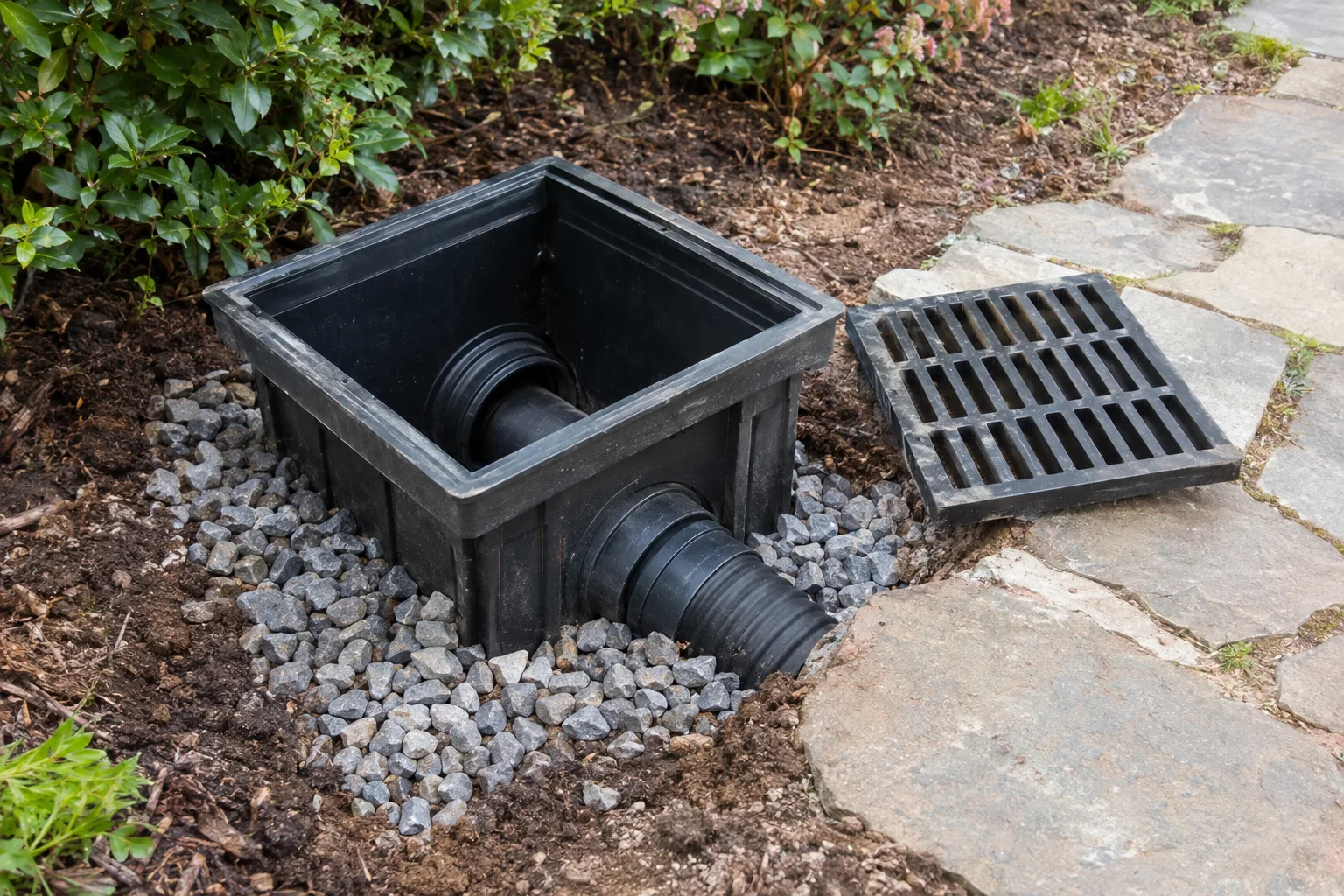
Start with the storm history
Useful details include when the water appears, where it starts, and how long it remains. Mention recent paving, landscaping, gutter changes, or past repairs. Photos from rain events can add information that a dry-day visit cannot show.
Choose checks that answer the question
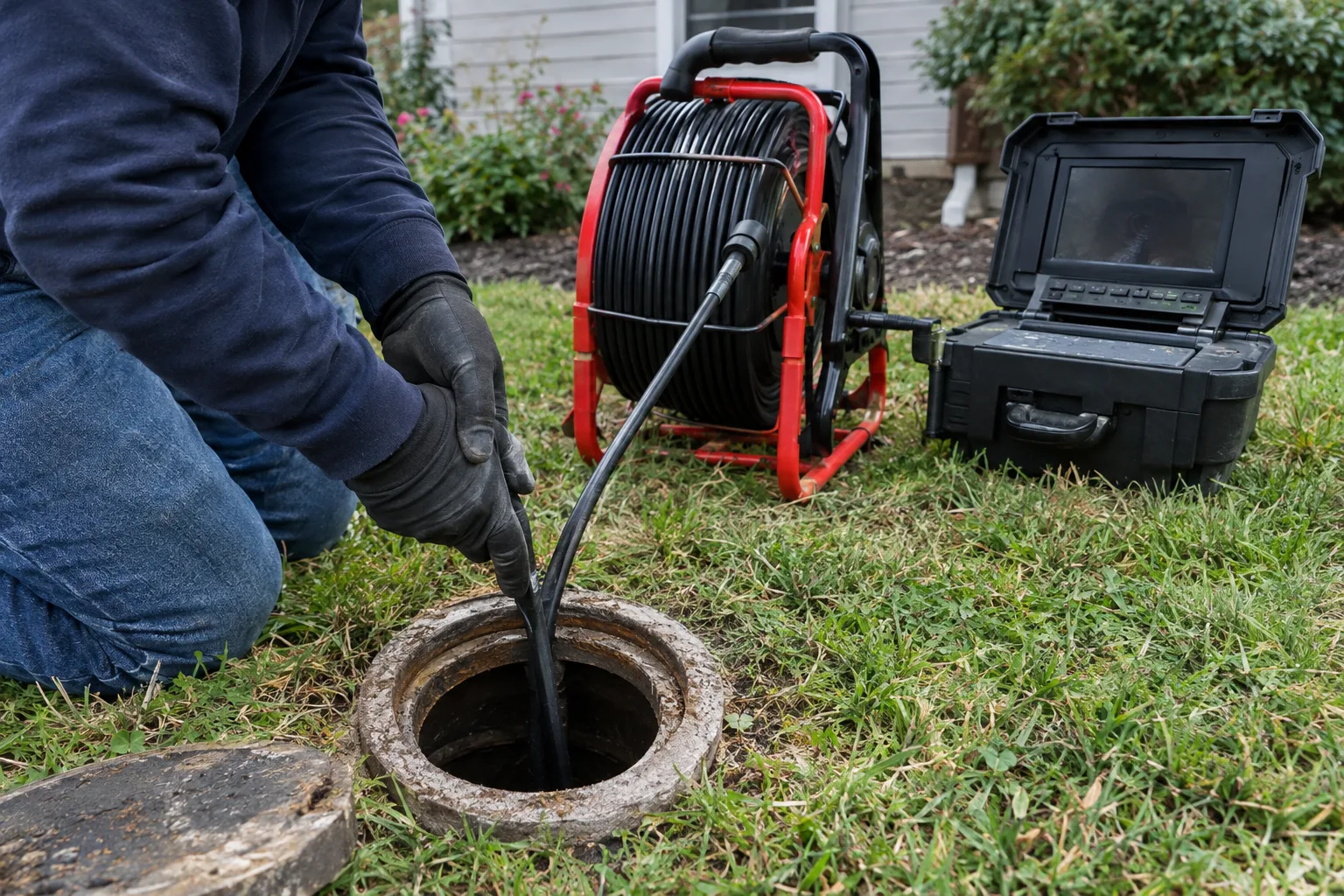
The approach depends on the question. Surface observations, accessible pipe checks, level measurements, or further line investigation may be appropriate. The inspection scope should explain which parts of the system can actually be assessed.
What the inspection can cover
An assessment may cover runoff sources, finished grades, existing inlets, accessible pipe routes, and outlet conditions. The goal is a clear explanation of what is causing trouble and what should happen next.
Understand what remains hidden
A visual visit cannot establish every buried condition or explain every source of moisture. Some situations need additional testing or a specialist. The findings should separate confirmed observations from possibilities that still need checking.
Why a previous fix may have failed
A previous drain may have collected the wrong water, missed the low point, or discharged into an unsuitable area. Changes made after installation can also affect performance. Understanding that history helps avoid repeating the same mistake.
Record changes after rain
Keep photos and notes about how long water stays and whether its location changes. Repeated observations help distinguish a consistent drainage problem from a one-time event or a separate irrigation issue.
What affects inspection scope?
Property size, the number of systems, access, and the type of investigation affect the service. The estimate should say what will be checked and whether further testing or written documentation is included.
Turn findings into repair options
Findings may point to cleaning, a localized repair, a different outlet, or a new layout. A useful recommendation explains why that option fits the observed problem and what remains uncertain before work begins.
Turn a wet-yard complaint into specific findings
We ask you to describe the order of events: where water appears first, where it moves next and which area stays wet longest. That is more useful than choosing a drain type before the property is assessed. A dry-day visit can show surface levels and visible components, but it may not reproduce the runoff that caused the complaint. Photos taken safely during rain can fill in that gap. Mention whether irrigation was running and whether the problem changed after landscaping, paving or previous drainage work.
The inspection should answer a defined question. If the concern is a low lawn, we look at the sources feeding it and the available exit route. If an existing basin overflows, we examine its inlet, accessible connections and outlet. These are related investigations, but they are not identical services. We explain what the planned assessment can establish and whether further line investigation or measurements are needed. A visual walkaround should not be described as proof of the condition of every buried pipe.
Separate observations from possible causes
Water standing in a basin is an observation. A collapsed pipe is one possible explanation, but so are a blocked outlet or a route with insufficient fall. We work through the accessible evidence before choosing a repair. When something cannot yet be confirmed, we say what would help resolve it. That keeps a recommendation tied to findings instead of turning a guess into a construction scope. It also gives the owner a clearer basis for comparing a focused repair with more extensive replacement.
Local conditions help frame the investigation without diagnosing the property by its address. Arlington yards can have varied soils, fill, paving and later landscape changes. We consider those factors alongside the actual levels and timing of the wetness. Persistent moisture during dry weather may point beyond rainfall runoff and require another type of investigation. Similarly, a drainage visit does not establish the cause of structural cracks or indoor water entry. We identify those scope boundaries so the owner knows which questions remain open.
At the end of the assessment, useful findings connect each proposed action to a reason. Cleaning may be appropriate for accessible debris; a damaged connection may justify a local repair; an unusable outlet may require a different layout. Ask which conditions were observed, which remain uncertain and what work would address each one. We can then discuss the next step and any access or restoration it involves. You should not have to infer the reason for a large project from a list of components in an estimate.