We explain the work before it goes underground
We offer drainage services for property owners who want to understand both the problem and the proposed correction. The starting point is what you have observed: water beside the house, a lawn that stays muddy, a driveway that sends runoff toward the garage or an existing drain that no longer empties. We use those details to decide what needs checking. You should not have to select a product before anyone has explained the path the water takes.
Our service scope includes surface collection, French drains, downspout extensions, grading, repairs and maintenance. These methods do different jobs. We discuss why the recommended approach fits the source of the water and the conditions at the property. Sometimes a focused repair can preserve a useful system. Sometimes the route or outlet needs to change. A recommendation should connect the work to the findings, with uncertainty identified when further investigation is still needed.
Arlington Drainage Pros manages the service request and project scope. Work is completed by fully licensed and insured contractors. We describe the offered work in ordinary service terms while keeping the actual scope clear. We do not present drainage work as a substitute for structural evaluation, electrical repair or other specialized services when those are needed. The owner should understand what is being addressed and which separate questions remain before deciding how to proceed.
A finished drainage route should be understandable
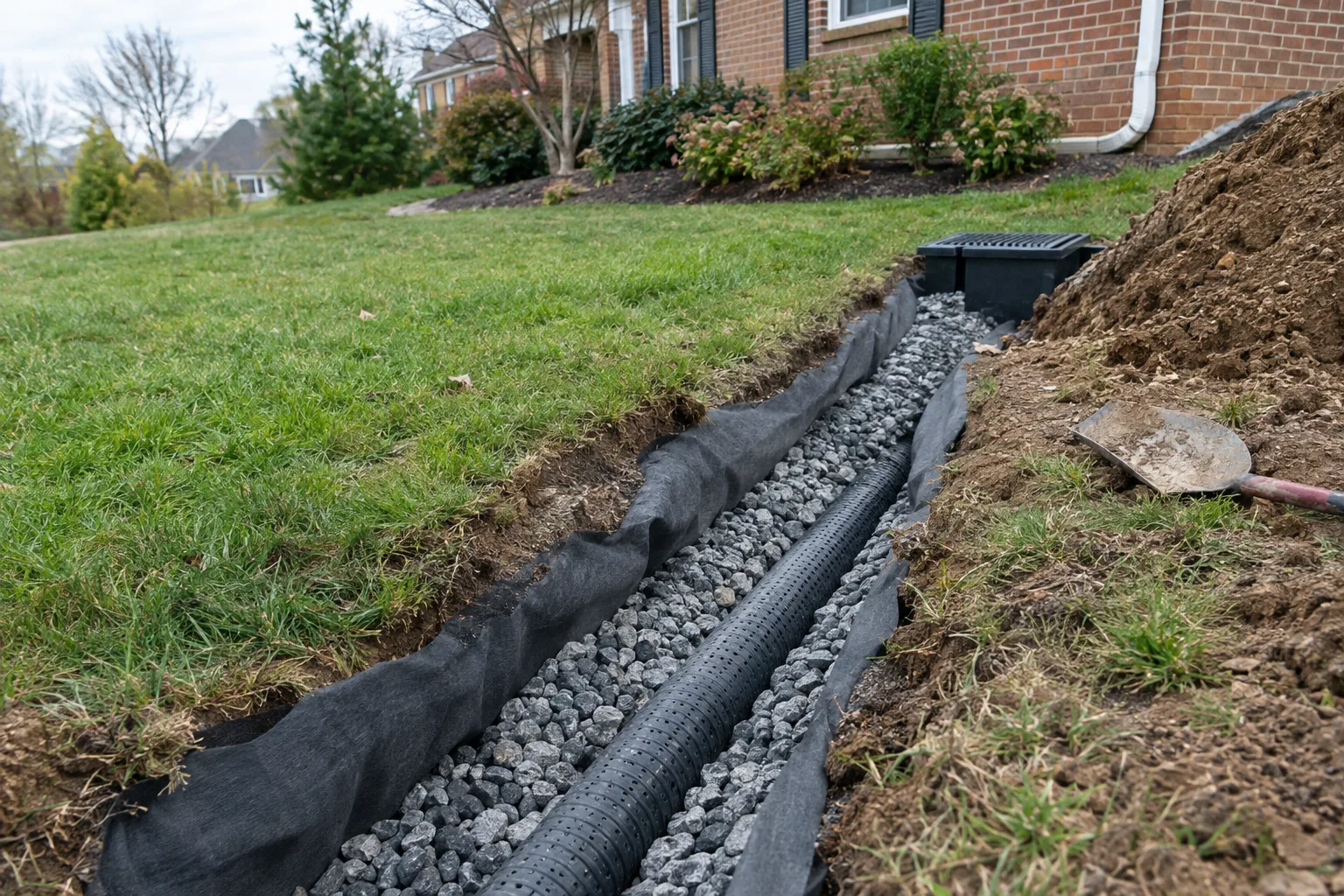
Much of a drainage installation disappears once the trench is closed, which makes the planning conversation important. We discuss where water enters, how it travels and where it leaves. Access, utilities, planting beds and paving can affect that route, and restoration should be described before excavation. A clear scope makes it easier to compare alternatives and understand the practical effect on the yard, driveway or commercial area where work will take place.
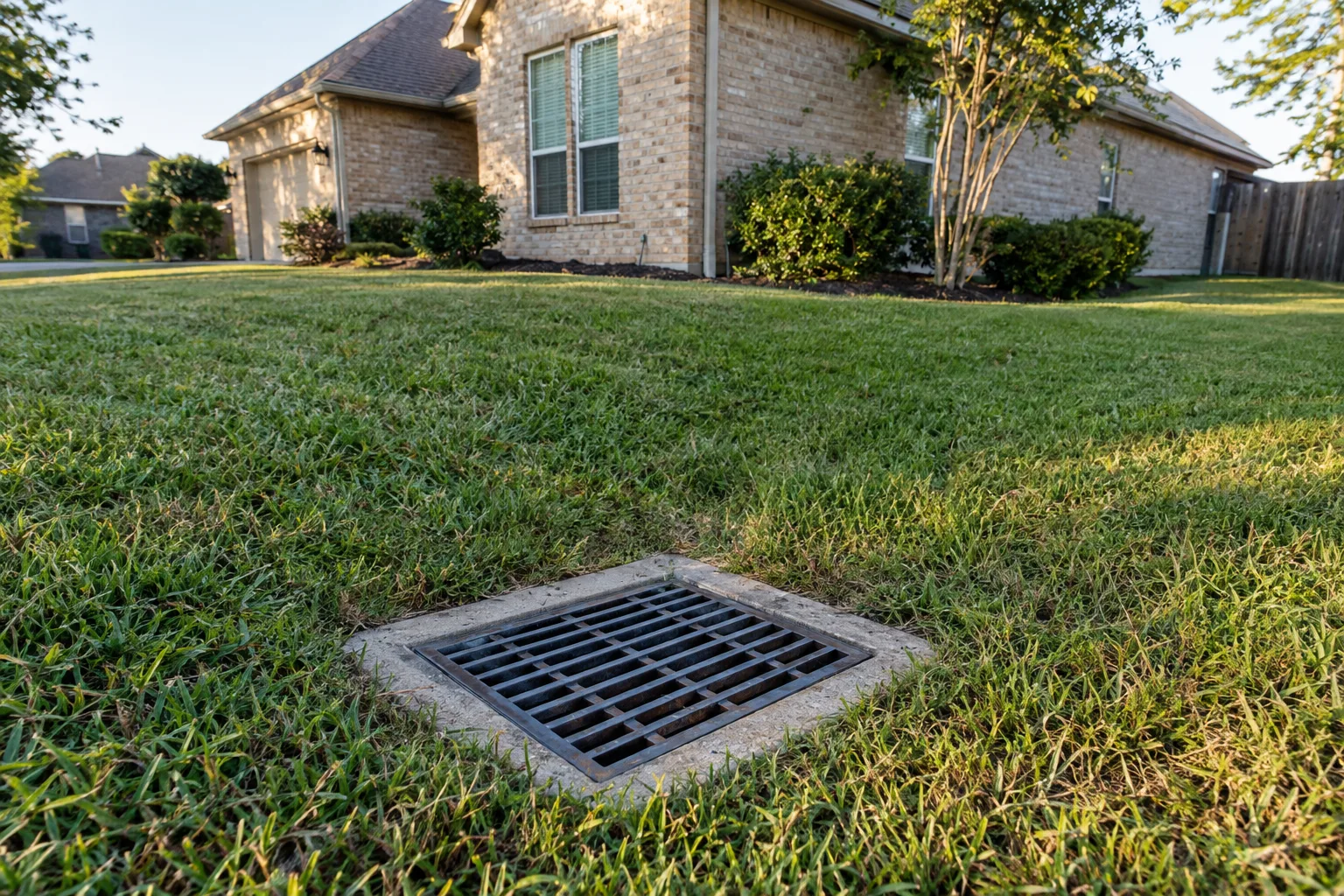
Maintenance access matters after the visible work is complete. Inlets need to receive runoff, cleanouts need to remain reachable and the outlet should not disappear under new soil or mulch. We explain which parts belong to the installed route so later landscaping can account for them. If performance changes, a record of the layout and observations from rain can help identify the cause. Our approach is to make the drainage work understandable from the initial assessment through the decisions that keep it useful.