Track down the failure
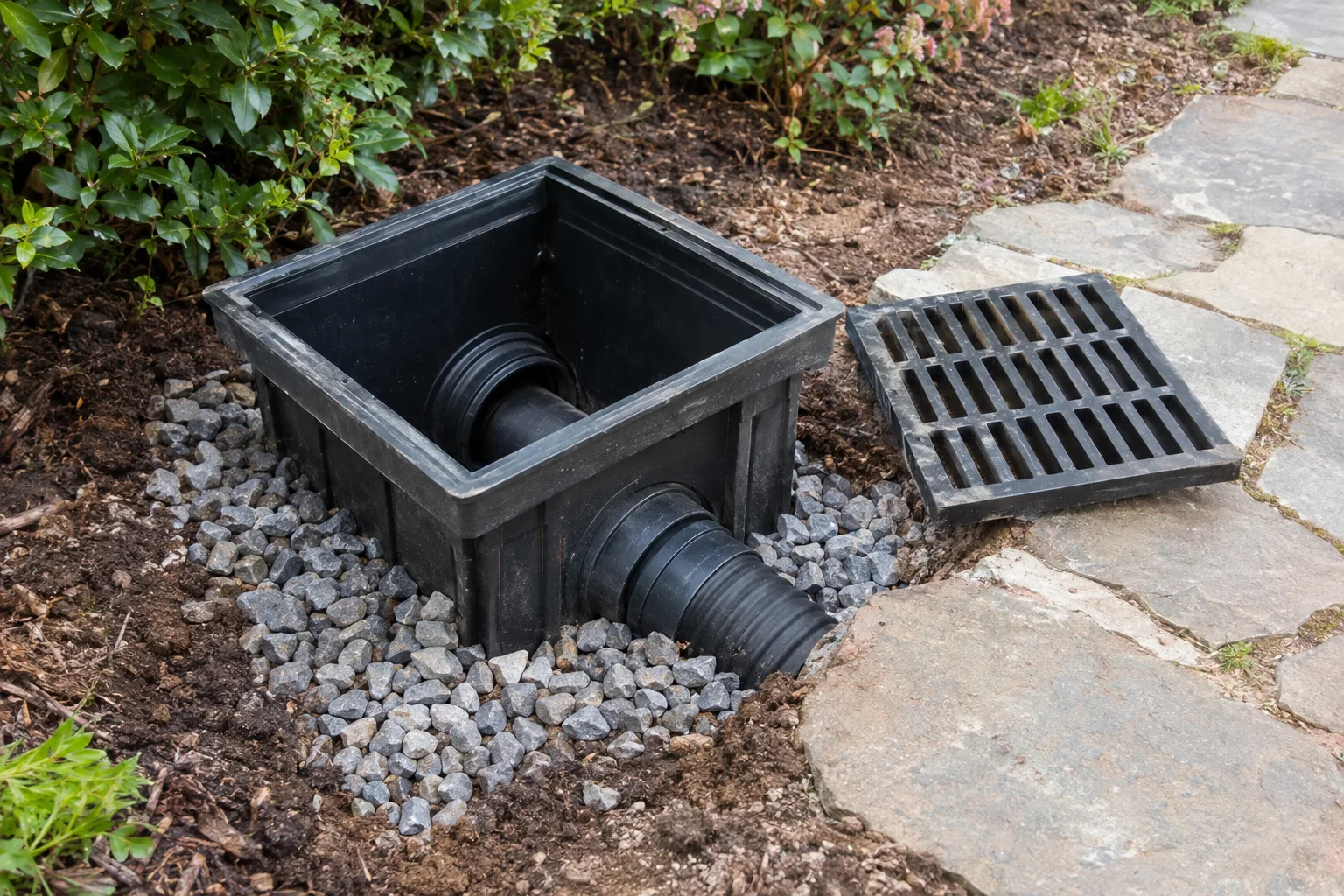
When did the drain stop working, and what changed around it? New landscaping, paving, roots, and settlement can all affect performance. Checking the inlet, accessible line, and outlet helps locate the fault before excavation.
Decide what can be kept
Sound sections may be worth keeping when the rest of the layout works. A damaged fitting or short pipe section may need a focused repair. The decision should follow the condition of the system, not its age alone.
Plan the repair and access
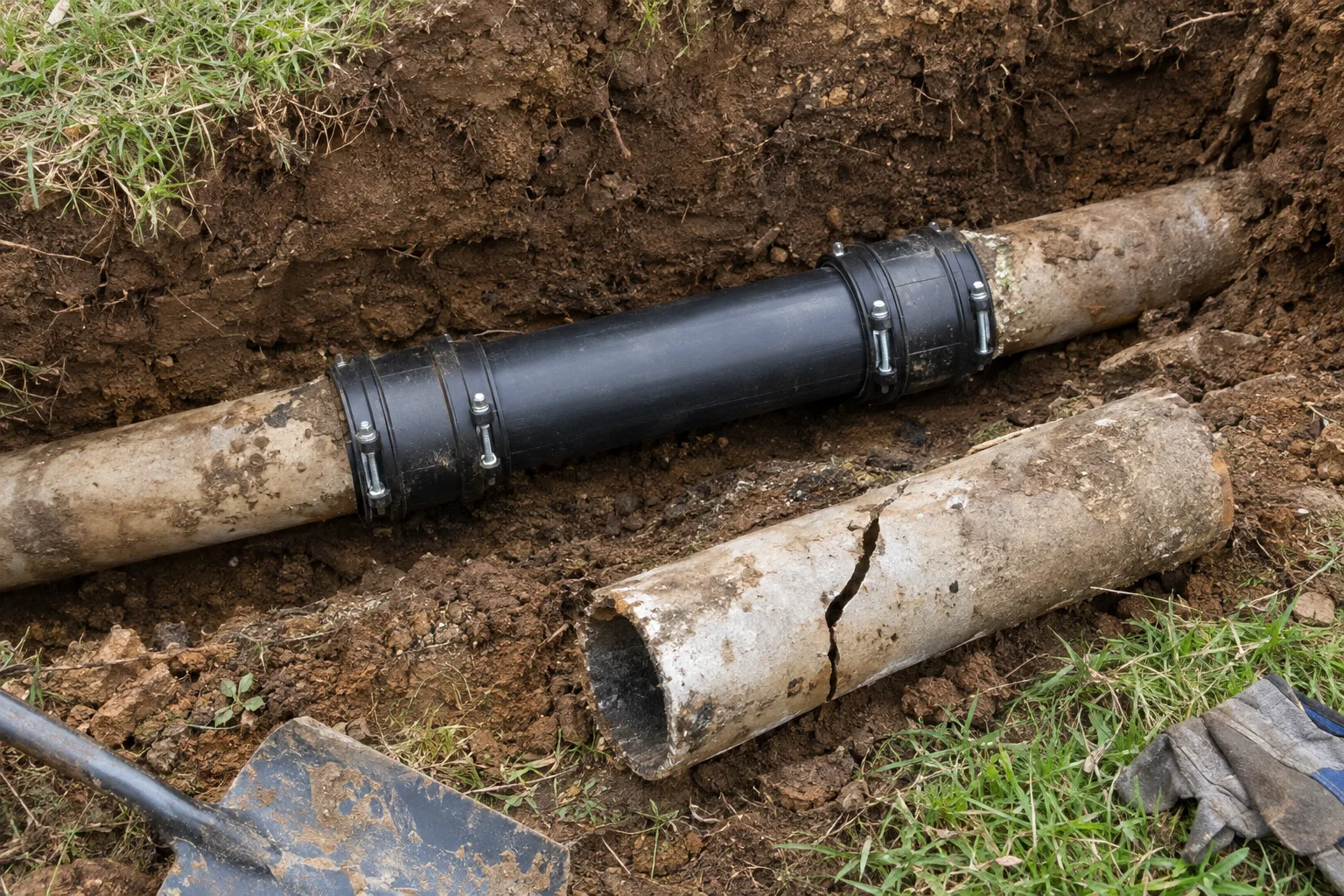
The scope should identify the area to be opened, components to be replaced, and surfaces to be restored. Where buried damage is uncertain, it should also explain how additional findings will be handled.
When replacement is worth considering
Repeated cleaning may not help a line with too little fall or an outlet that cannot discharge. If those conditions are causing the problem, a different route or layout may be more useful than another patch.
Why the same problem returns
A repair can fail to last if the cause remains. Upstream sediment may keep entering a line, roots may return, or water may still be sent to an overloaded outlet. The proposed work should address that recurring cause.
Look after the repaired system
Keep repaired access points clear and watch how the system behaves after rain. If water begins collecting somewhere new, note the location and timing. That information helps separate a remaining defect from a different runoff source.
What affects repair cost?
The investigation, access, depth, number of damaged sections, material connections, and surface restoration all affect the price. Work beneath concrete or near utilities can be more involved than a shallow repair in open lawn.
Cleaning, repair, or replacement?
Cleaning removes buildup. Repair corrects a damaged component. Replacement changes a larger part of the system. Each has a place, and the recommendation should explain why the chosen approach is likely to solve the observed problem.
Find the break in the working route
We ask whether the system once handled the same water successfully. A drain that worked until a fence project or a new patio was installed presents different clues from one that has overflowed since its first storm. The history helps separate damage from a route that was never suitable. We check accessible inlets and the outlet before assuming the buried pipe is the problem. If the outlet is covered by soil, restoring that opening may be the first useful step in the investigation.
When a blockage is suspected, the condition and type of pipe influence how it can be investigated. Forcing cleaning equipment through a damaged or disconnected section can create more work. We discuss what access is available and whether further inspection is needed before choosing a method. A recurring blockage at the same point may indicate a joint defect, root entry or a low section holding sediment. Removing the material without addressing that cause can leave the owner facing the same backup again.
Choose a repair that preserves useful parts
A local repair makes sense when the surrounding line, connections and discharge route remain usable. We identify the section to expose and consider how replacement material will connect to the existing system. Where a pipe has settled, simply joining in a new piece at the same level may preserve the problem. Support, alignment and the route to the outlet need to be checked before closing the trench. Sound pipe elsewhere can stay in place if the evidence supports keeping it.
Repair access often drives the amount of disruption. A damaged fitting beside a reachable basin is different from a failure beneath a concrete walkway. We describe the area that needs to be opened and how the surface will be restored. If the full extent of buried damage cannot be known beforehand, the scope should explain which findings could change the work. That conversation gives the owner a useful basis for decisions instead of treating every unexpected condition as permission for an unlimited replacement.
We check the repaired route before the disturbed ground is finished and discuss what to watch during the next rain. A water test can confirm that an accessible connection passes flow, while an actual storm may reveal runoff that bypasses the inlet entirely. Those are different questions. If the repair restores the pipe but surface water still misses the collector, a small grade correction may be needed separately. The aim is to explain the remaining issue clearly rather than repeatedly replacing working components.