Find where water crosses the pavement
The water may come from the driveway itself, an adjacent yard, or roof runoff reaching the pavement. The assessment checks those sources alongside garage thresholds, sidewalk levels, low spots, and the available discharge route.
Match the drain to the traffic
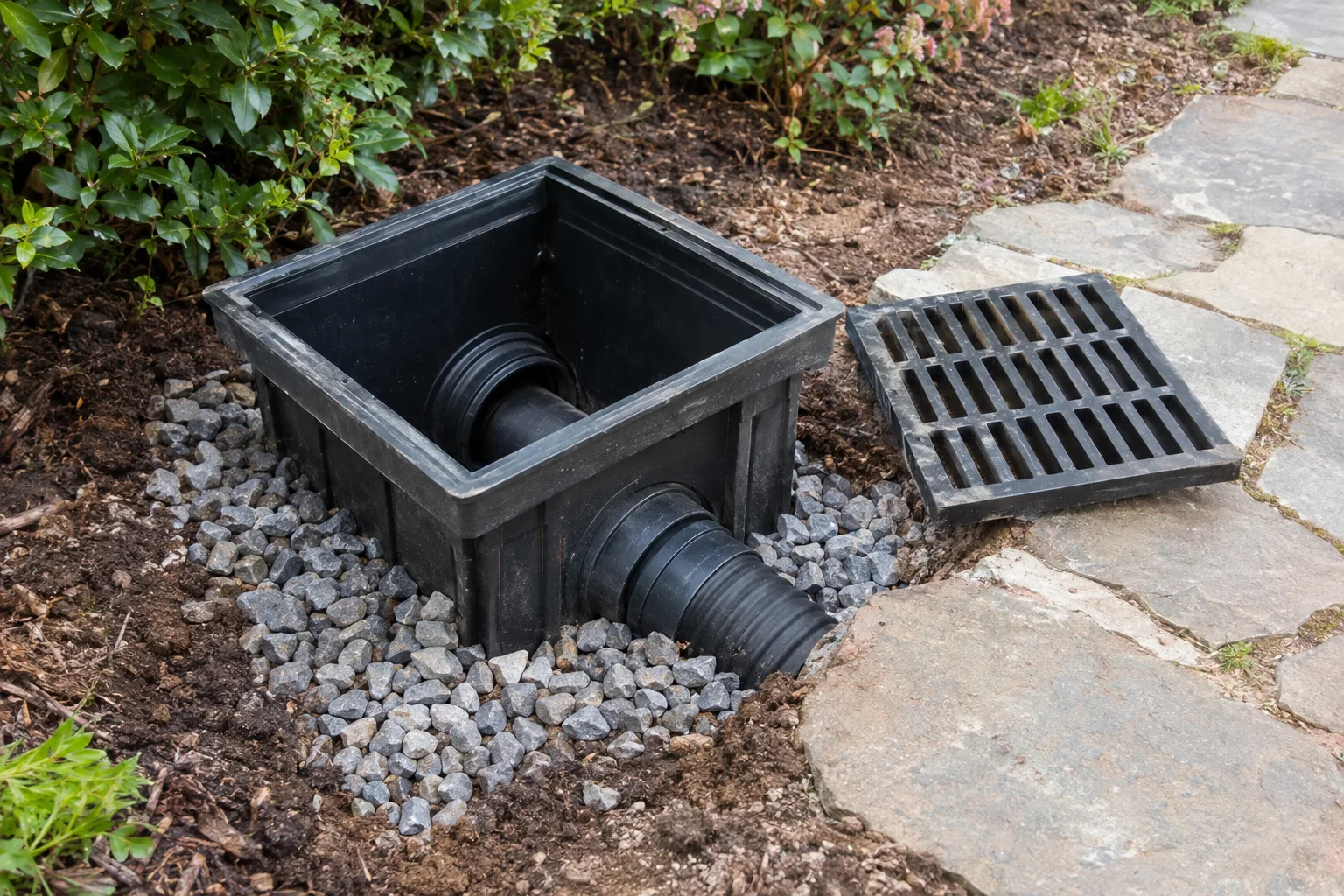
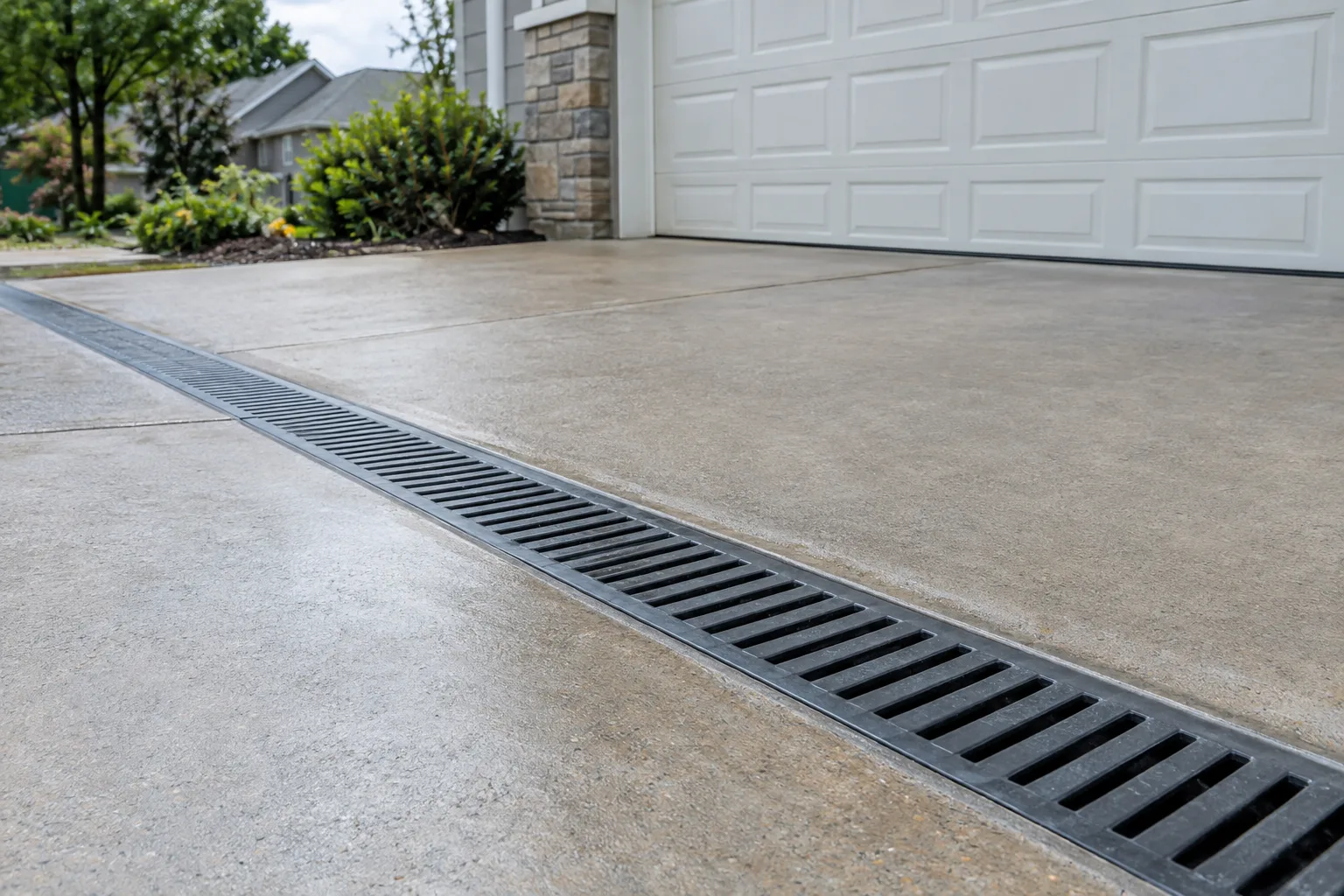
A channel can intercept water across a broad paved edge. A basin can collect water at an isolated low point. Grates and supports need to suit the vehicles or foot traffic using the area.
Plan cutting and surface restoration
Adding drainage to existing paving may involve cutting and removing material, installing the drain and pipe, and rebuilding the surface. Access during the work and the extent of the patch should be discussed before construction.
Check thresholds and finished levels
The finished drain height needs to work with the paving and nearby entrances. Lowering one area can create a new problem if it sends water toward a garage or leaves an unsuitable transition for people and vehicles.
Why pavement keeps puddling
A grate set too high, low pavement that cannot reach it, or a restricted outlet can leave puddles after the work. The drain and surface levels need to be checked together, rather than treating the grate as the whole solution.
Keep inlets accessible
Grates should remain reachable for debris removal, and the outlet should be kept clear. Landscaping or stored items should not block access. Persistent standing water in the drain deserves a check of the downstream line.
What affects driveway drainage cost?
Concrete or asphalt cutting, drain length, load rating, pipe route, depth, and restoration all affect the scope. The estimate should state which surfaces are disturbed and how access will be managed.
Compare channels, basins, and grading
Sometimes a surface correction addresses the problem more directly than adding a drain. Where existing levels must remain, a channel or basin may be appropriate. The choice depends on the path the runoff takes across the paving.
Protect the garage without trapping water elsewhere
We look at the lowest points on the driveway and the height of the garage entrance together. Water can arrive from the pavement itself, run off an adjoining bed or spill from a nearby downspout. A channel across the driveway may intercept one of those sources while missing another. Before recommending a cut in the concrete, we trace the approach and check whether a simpler change upstream would reduce the flow. The drain position follows the water route, not just the width of the garage door.
An isolated puddle in settled paving may need different work from a sheet of water moving toward the house. For the puddle, a basin or pavement correction can sometimes address the low point. For the moving flow, a channel may provide a more useful collection edge. We check whether water can reach the proposed inlet from every affected part of the surface. A grate installed on a high strip will not collect a lower puddle merely because the two are close together.
Account for vehicles, concrete and access
A driveway drain needs to suit the loads where it will be used. The grate, channel and supporting construction work together; choosing a stronger grate alone does not correct inadequate support below it. We consider wheel paths, turning movements and the adjoining paving when discussing the installation. On an Arlington property with a narrow driveway, access for cutting and excavation may also affect where equipment and removed material can be placed. Those details belong in the plan before vehicles need to be moved.
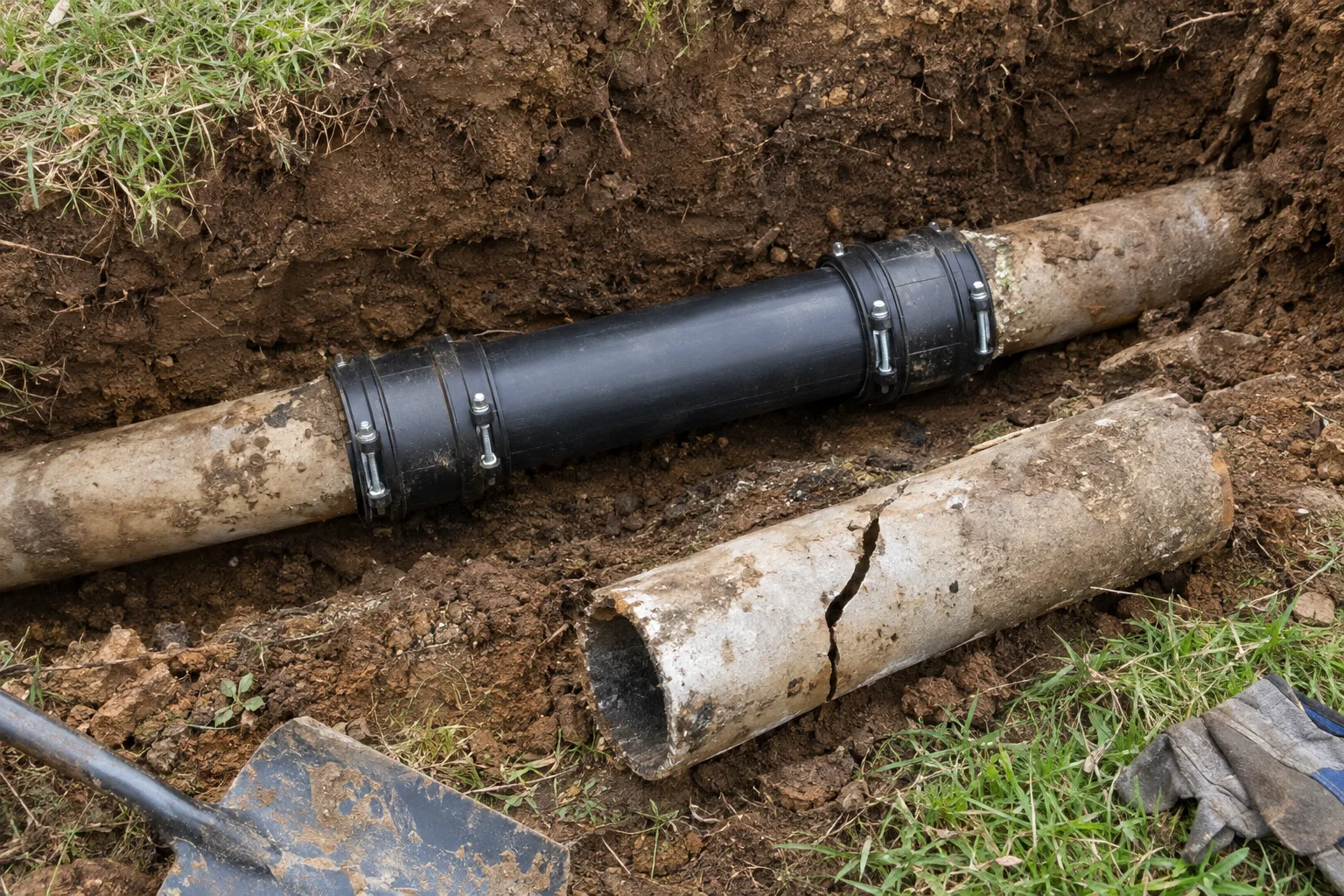
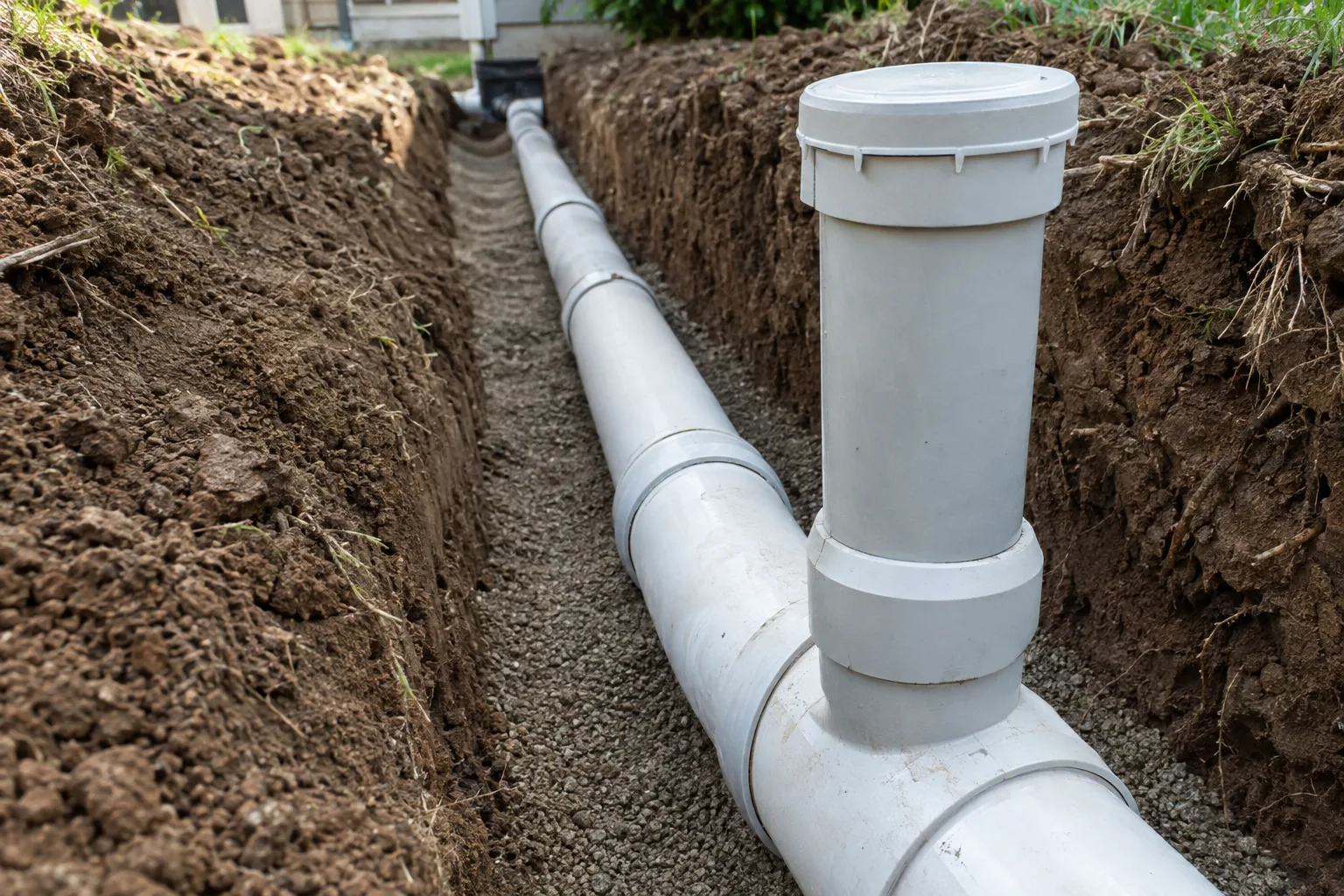
The pipe beyond the inlet can be a larger part of the job than the visible grate. We need a workable route through or beside the paving and a receiving point that allows it to empty. The estimate should describe concrete removal, the underground connection and the extent of the patch. It should also distinguish drainage work from resurfacing the rest of the driveway. A new repair section may not match weathered concrete exactly, so finish expectations need to be discussed before construction.
After installation, keep the collection opening and discharge point accessible. Sand, leaves and soil from adjacent beds can accumulate even on a paved driveway. Watch whether water passes around the channel ends or remains in a separate low spot after rain. Those patterns help identify whether the next step is cleaning, a surface adjustment or a downstream check. Do not remove a heavy traffic grate without suitable handling; tell us what you can see from the surface and we can discuss the appropriate inspection.