

Separate watering problems from rainwater problems
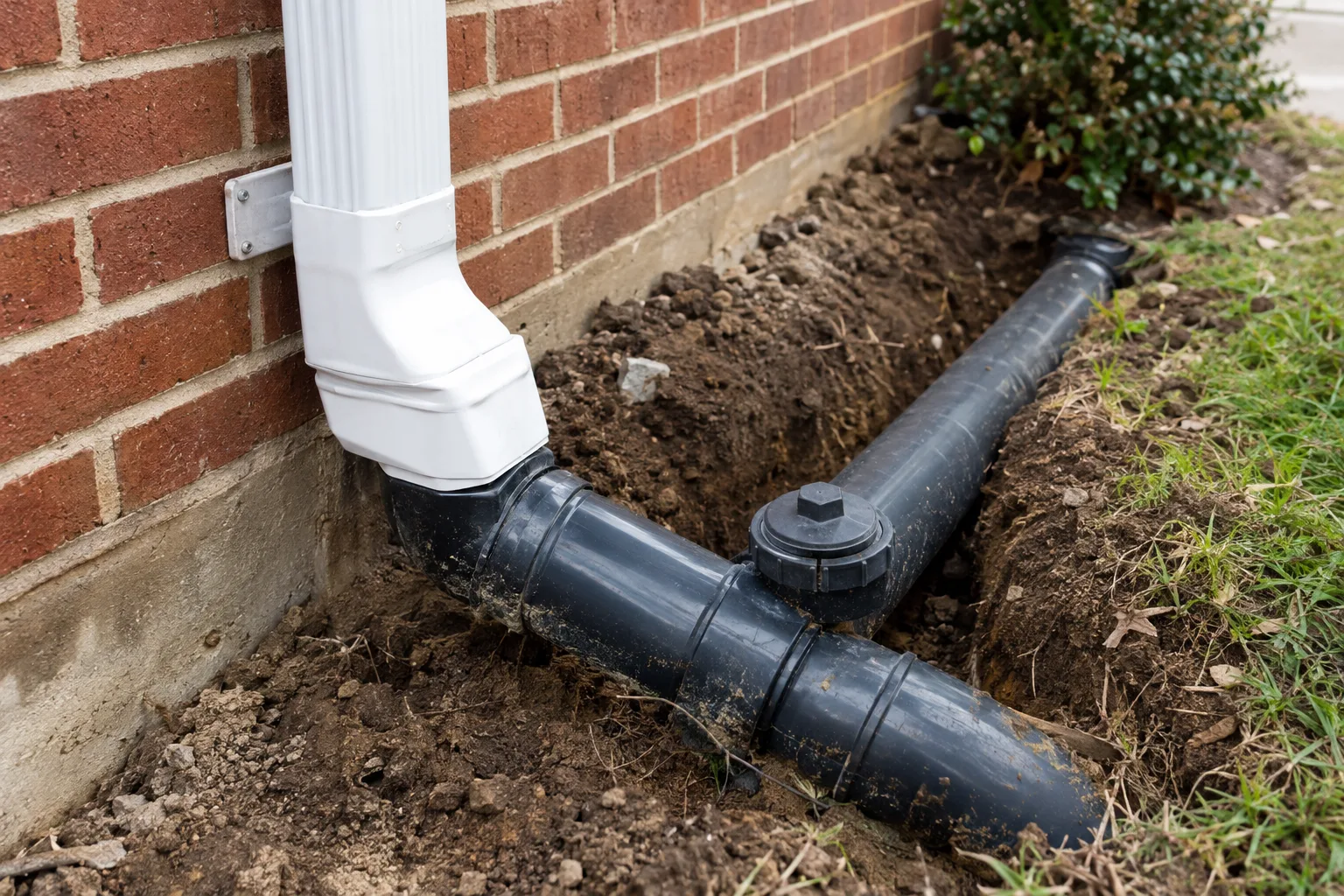
We assess drainage in Dalworthington Gardens by asking when a planted area becomes wet and what keeps it wet. If the bed stays saturated during dry weather, irrigation deserves attention alongside rainfall runoff. If it fills only when a downspout runs, changing that roof-water route may be more useful than putting a collector through the whole landscape. The timing does not prove the cause, but it helps decide what to inspect first. We want the proposed work to address the source rather than simply hide the visible puddle.
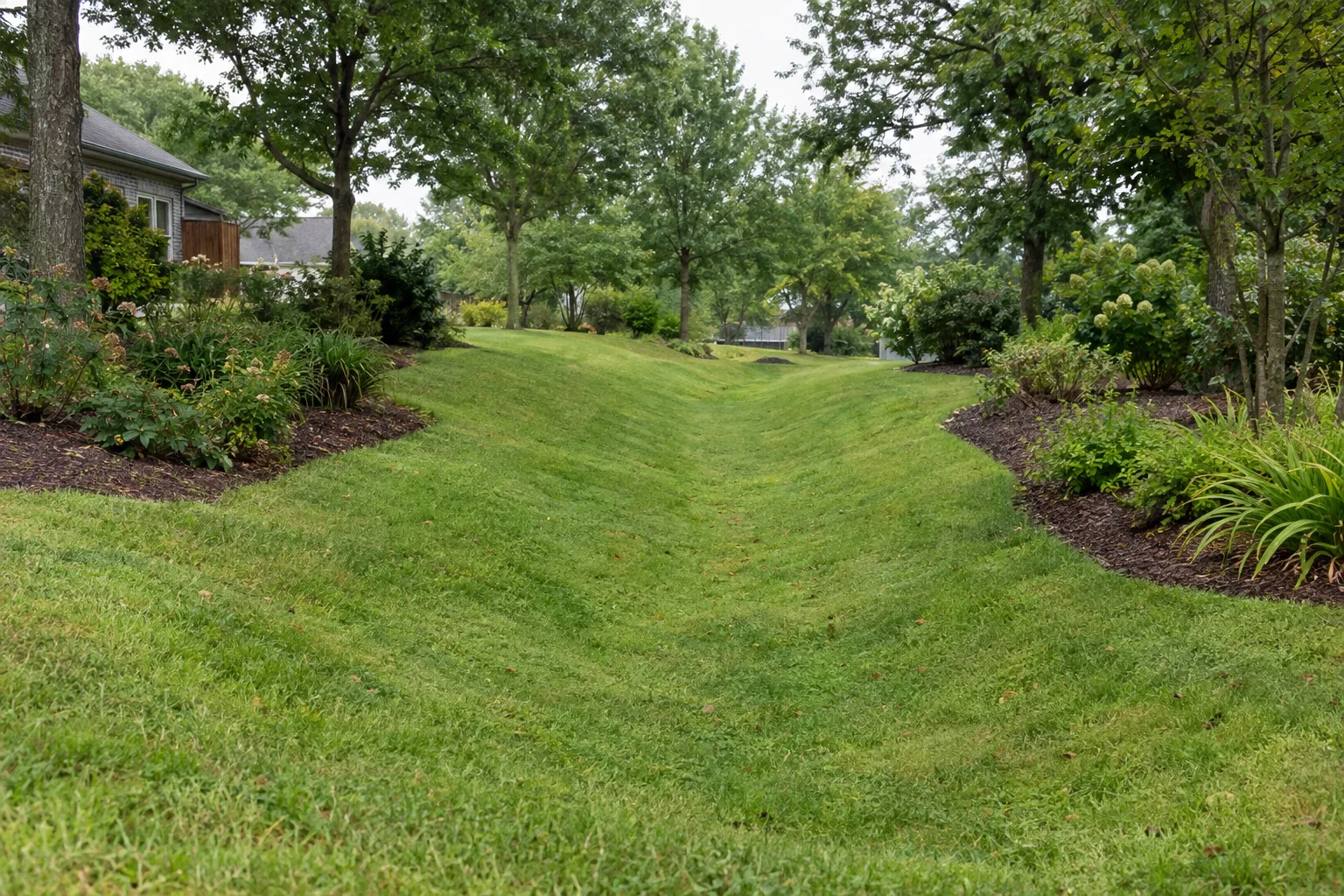
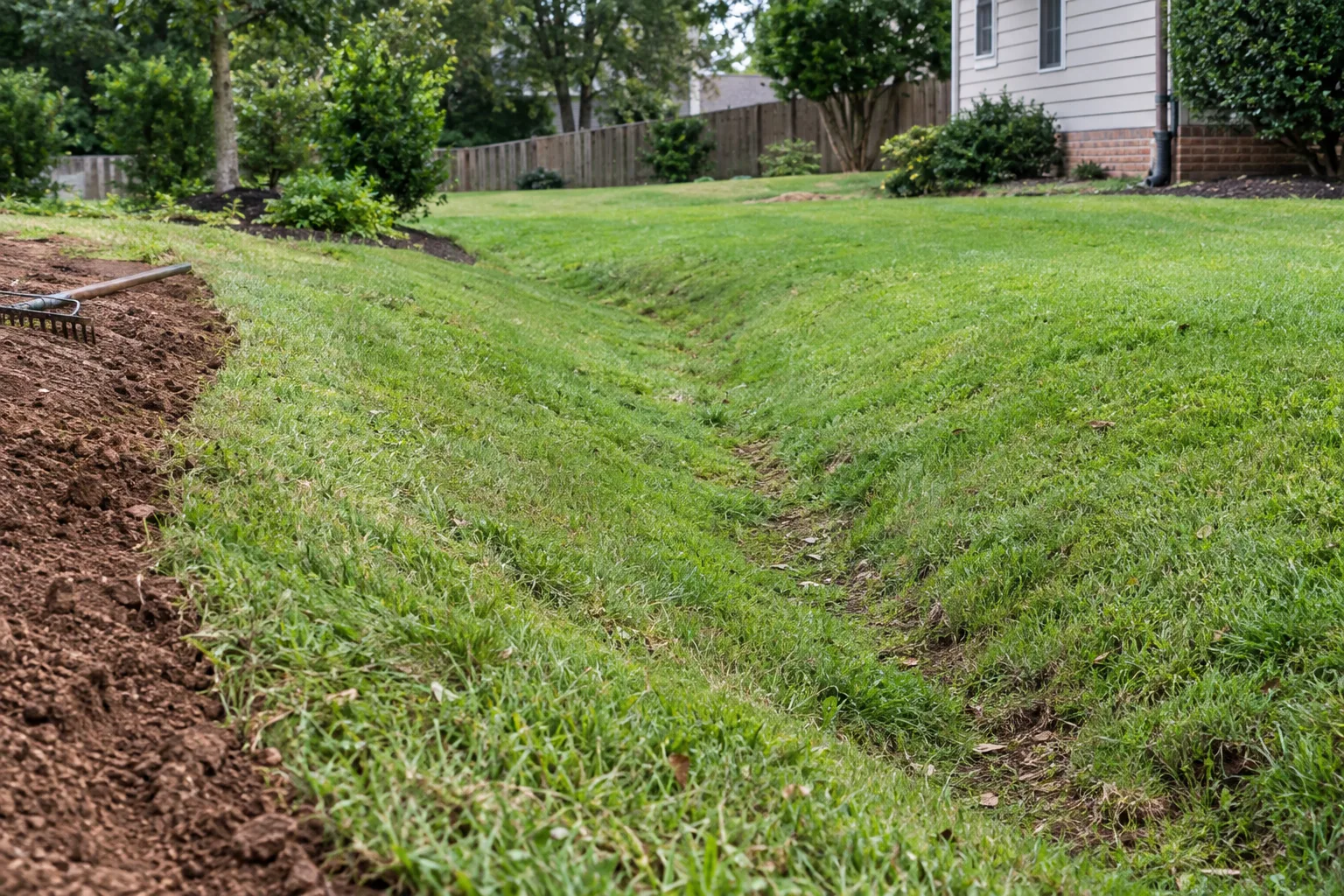
Planting beds can receive water from adjoining lawns and paving as well as their own irrigation. Raised borders may trap that water, while fresh mulch can cover a previously useful low opening. We examine the surrounding levels and the route out of the bed. A small surface adjustment may restore flow where the exit is obstructed. Where finished landscaping fixes the low point in place, a basin and suitable pipe route may be worth considering. The inlet must remain accessible as plants mature.
Protect the landscape while correcting the route
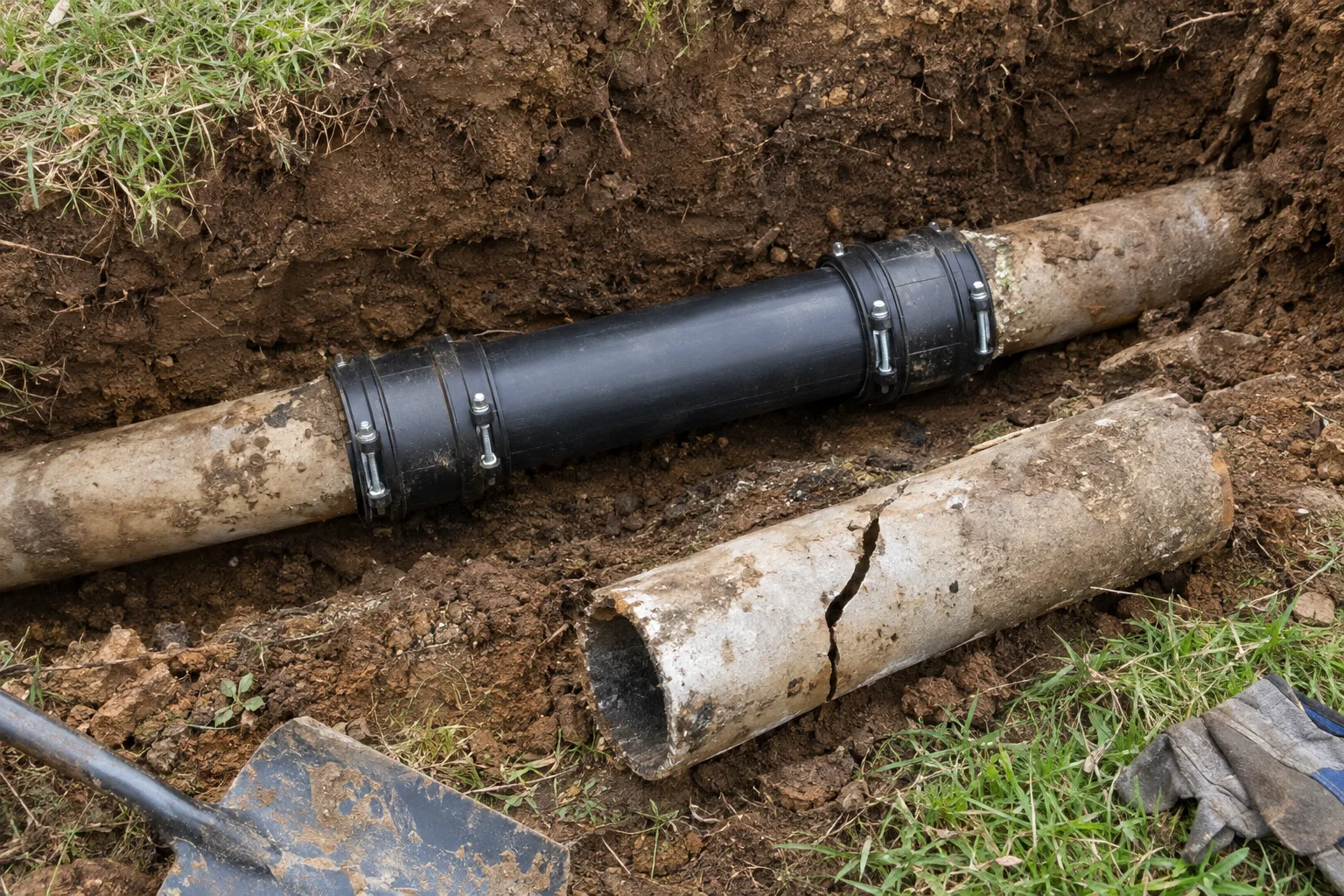
Roots, irrigation lines and established plants influence excavation choices. We discuss which areas need to be opened and whether the route can avoid unnecessary disturbance. Soil removed from a trench also needs a place to go without being spread into a ridge that blocks drainage elsewhere. The estimate should identify the landscape finish and any planting work included in restoration. That keeps the drainage scope clear when the property has a maintained garden that will need careful reinstatement after the pipe is covered.
Infiltration may be an option only if the ground and available space support it. A wet bed should not automatically become a dry-well location. The receiving soil needs to accept the planned runoff, and storage requires a route for excess water. We compare those conditions with surface or pipe alternatives before recommending an underground chamber. Where the proposed outlet touches a public feature or easement, requirements for the actual Dalworthington Gardens property must be checked before that destination is relied on.
When you contact us, describe the watering schedule, recent planting changes and whether the wetness follows rain or appears independently. You do not need to know which drain to request. A photograph showing the bed, nearby downspouts and the adjoining lawn can help us understand the layout. After work, keep mulch below inlet openings and preserve the agreed surface route. If plants or edging are later changed, check that the modification does not cover service access or create a new pocket where water will remain.