

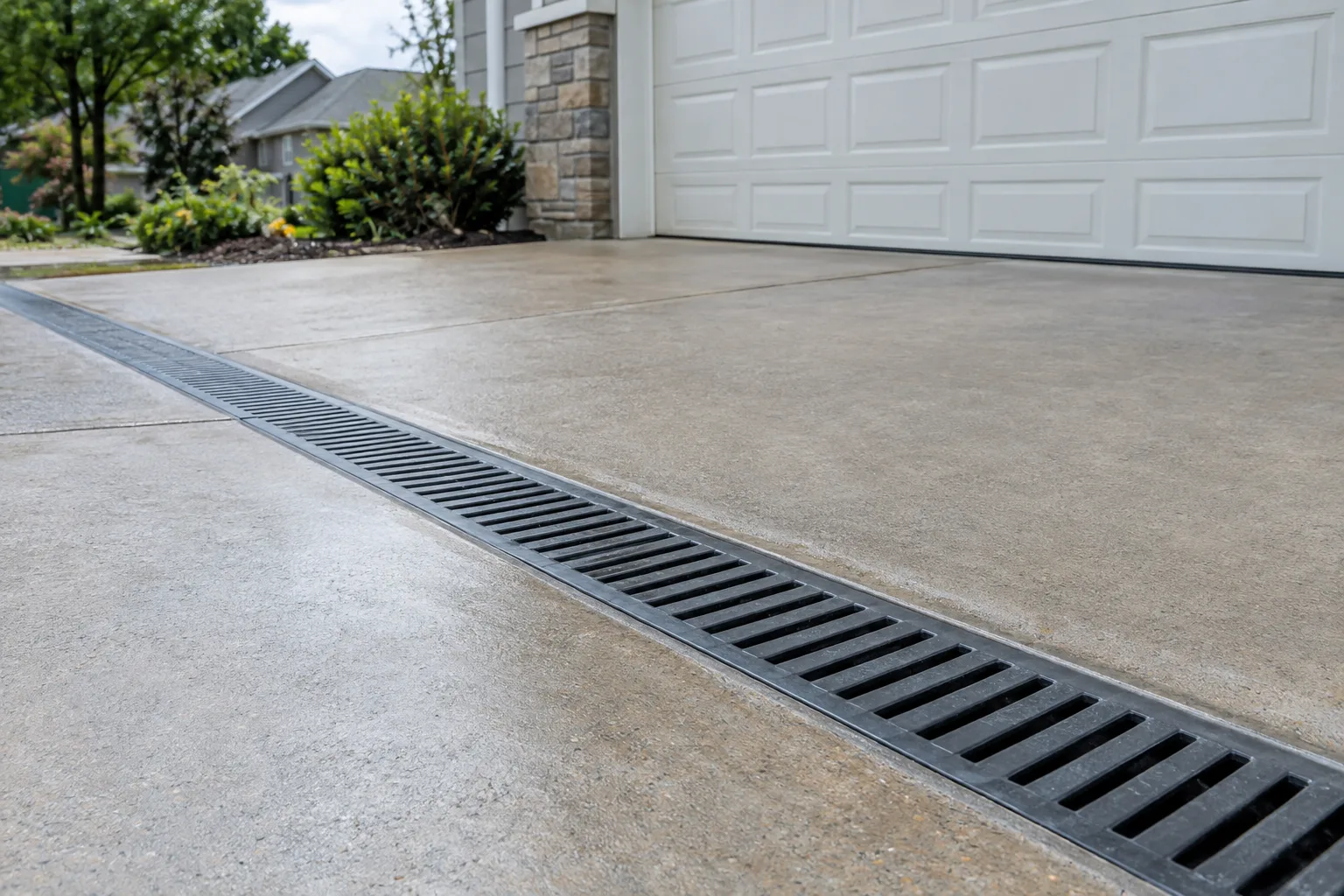
Coordinate drainage across paved and landscaped areas
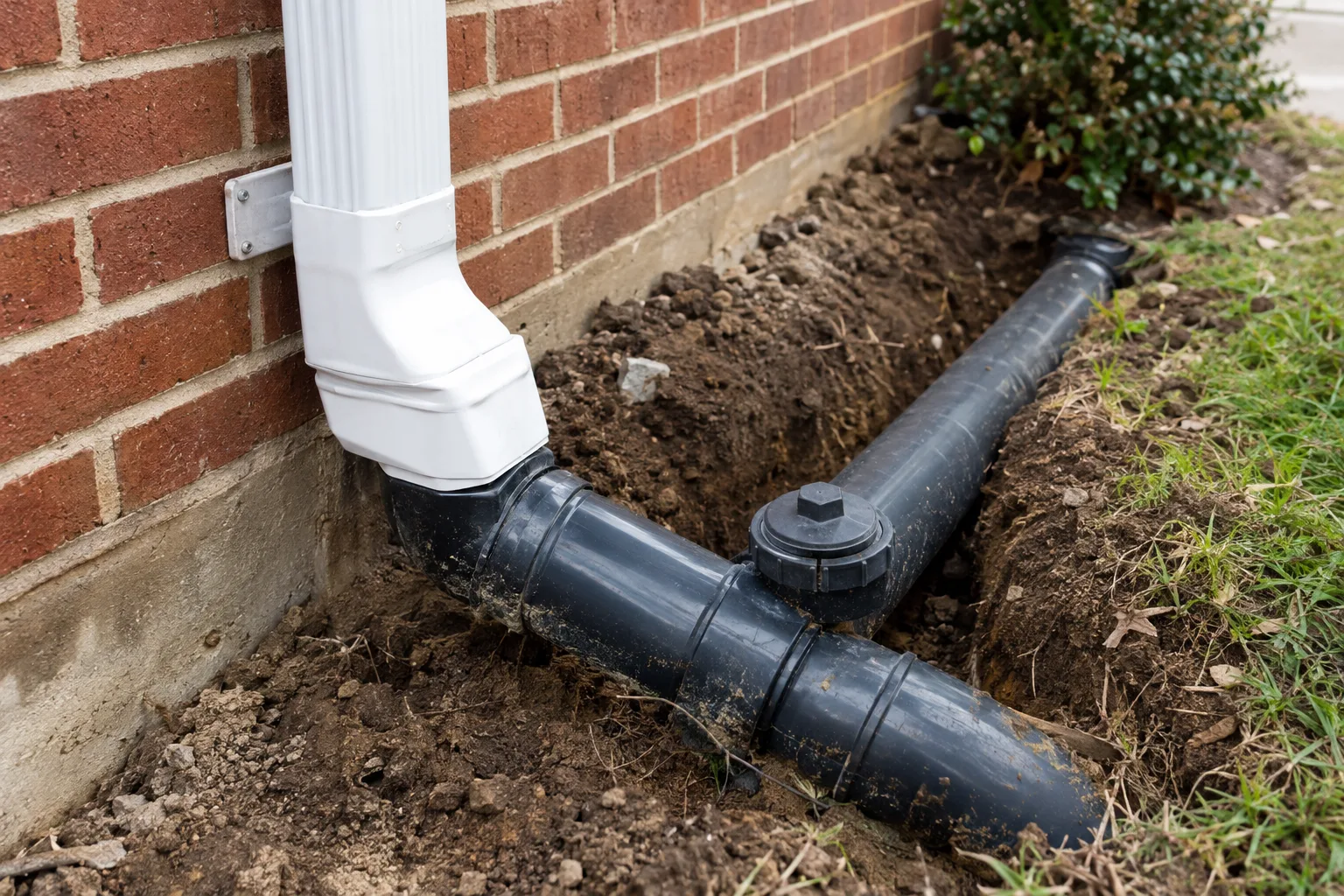
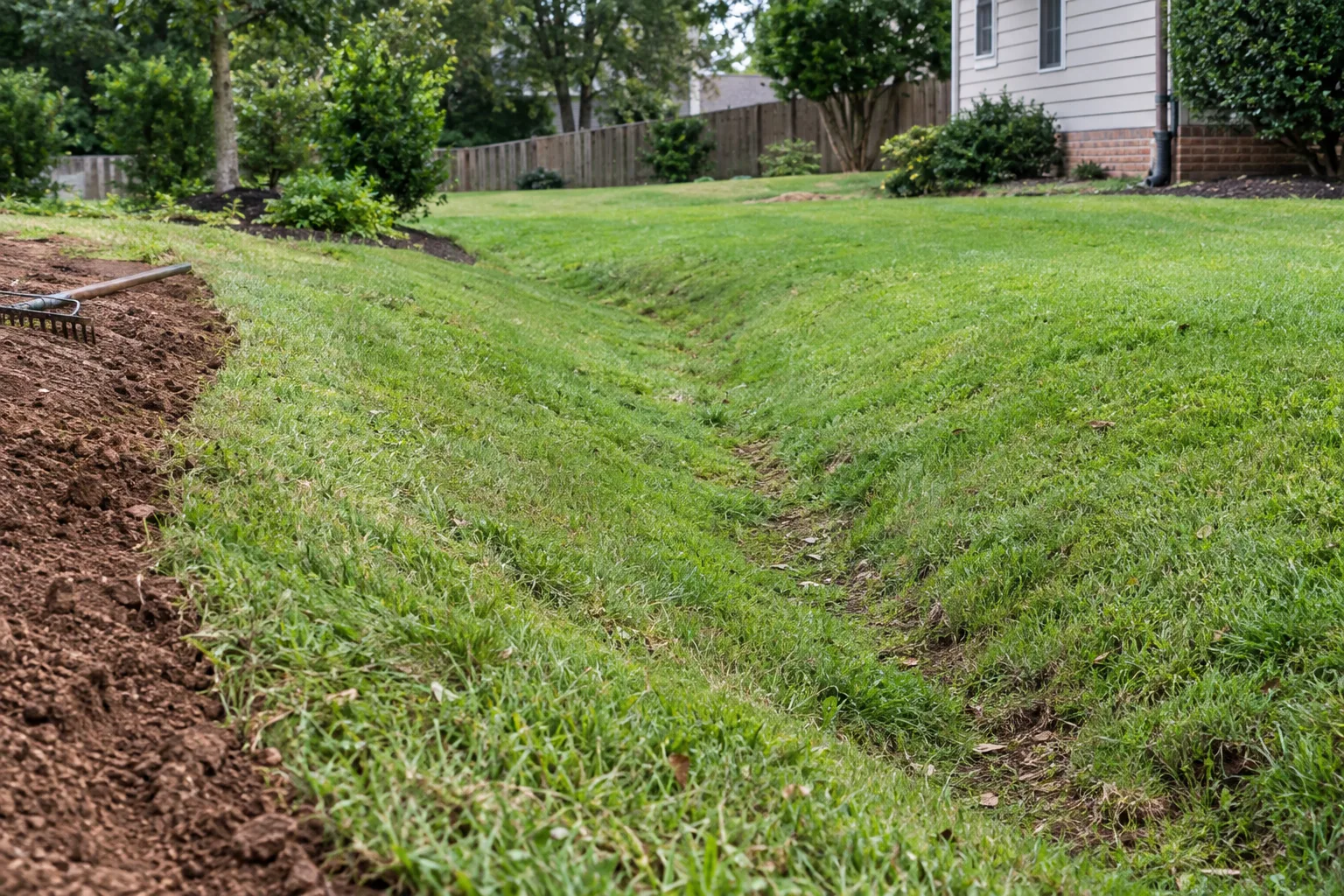
We discuss Fort Worth drainage work with homeowners and property managers who need to understand how several water routes fit together. A roof, driveway, parking area and landscape strip can feed the same low point. An inlet may overflow because of a downstream restriction rather than a problem at the grate. We trace the connected system and review the history before recommending additional collection. That broader view is useful when previous work has added separate drains without a clear record of the complete route.
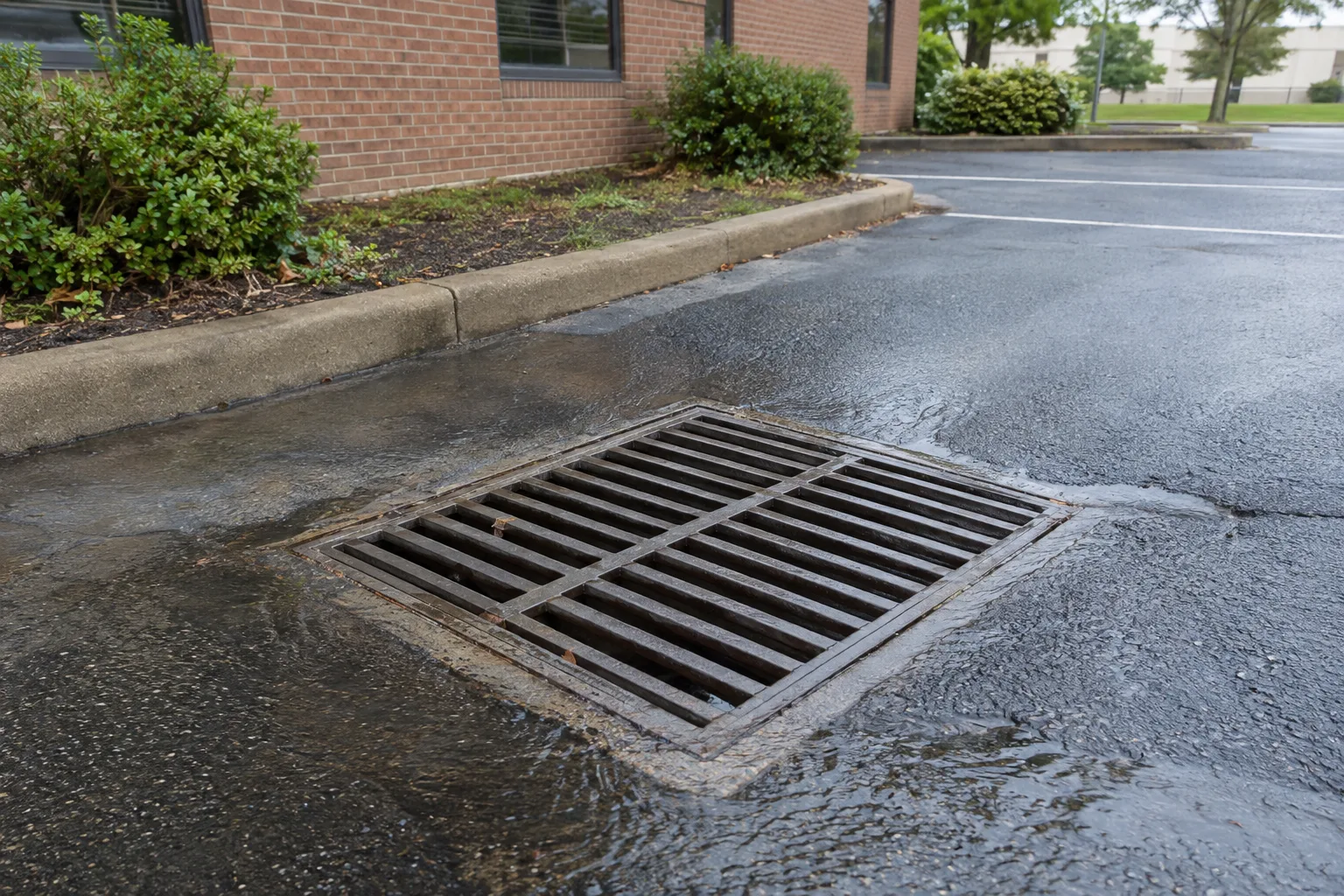
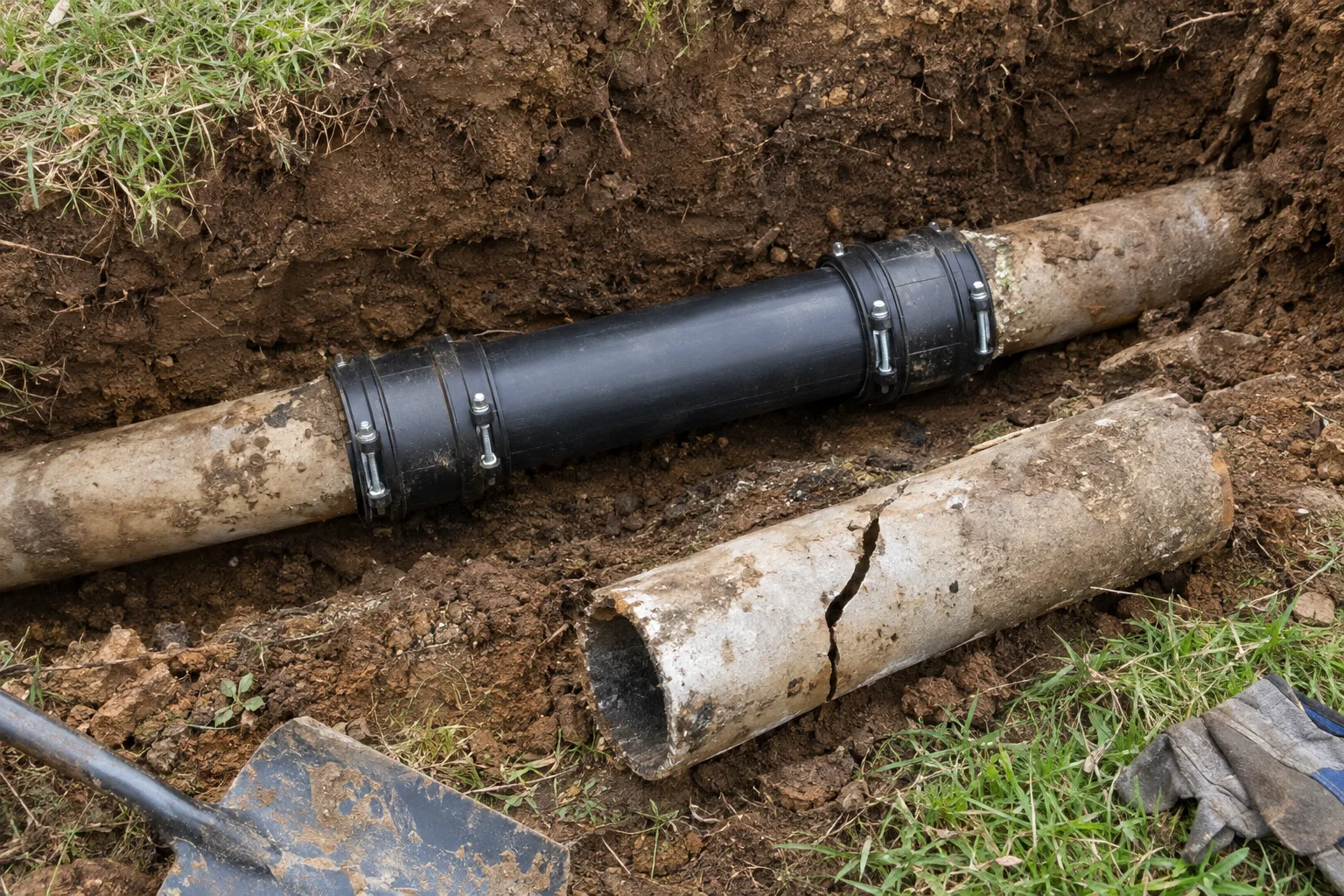
On paved areas, surface shape determines whether water reaches the inlet at all. Settled pavement can hold a puddle below a working grate, while a blocked line can leave the basin full even when surrounding levels are correct. We distinguish those conditions before deciding between surface correction, maintenance and pipe repair. Where a larger collection change is proposed, the receiving system must also be considered. Adding inlets can increase the demand downstream without addressing the reason water cannot leave.
Keep access and operations in the project plan
For occupied properties, the sequence matters. We ask about entrances, deliveries, parking and pedestrian routes before discussing excavation or paving removal. A technically workable drain location may be difficult to build without a plan for temporary access. The scope should identify which areas will be disturbed and how restoration relates to the drainage work. We do not assume that a business can close its only entrance or that a home can lose driveway access without that disruption being discussed.
Grates and supporting construction need to suit the traffic using the area. A landscaped collector differs from one exposed to vehicle wheels or loading activity. Existing plans and maintenance records can help establish the system, but current conditions still need review. Changes affecting regulated facilities or public drainage may require professional design or coordination for the Fort Worth site. We identify when the proposed work extends beyond a localized repair and keep that additional scope clear before installation is authorized.
Afterward, the people maintaining the property need to know where access points and outlets are located. Stored materials, new planting or routine parking can obstruct them. Keep a record of cleaning and recurring ponding so a later problem can be compared with earlier findings. When you contact us, tell us whether the concern affects a home, shared access area or commercial property and which activities the water interrupts. That lets us discuss both the drainage question and the practical constraints on assessing and completing the work.