

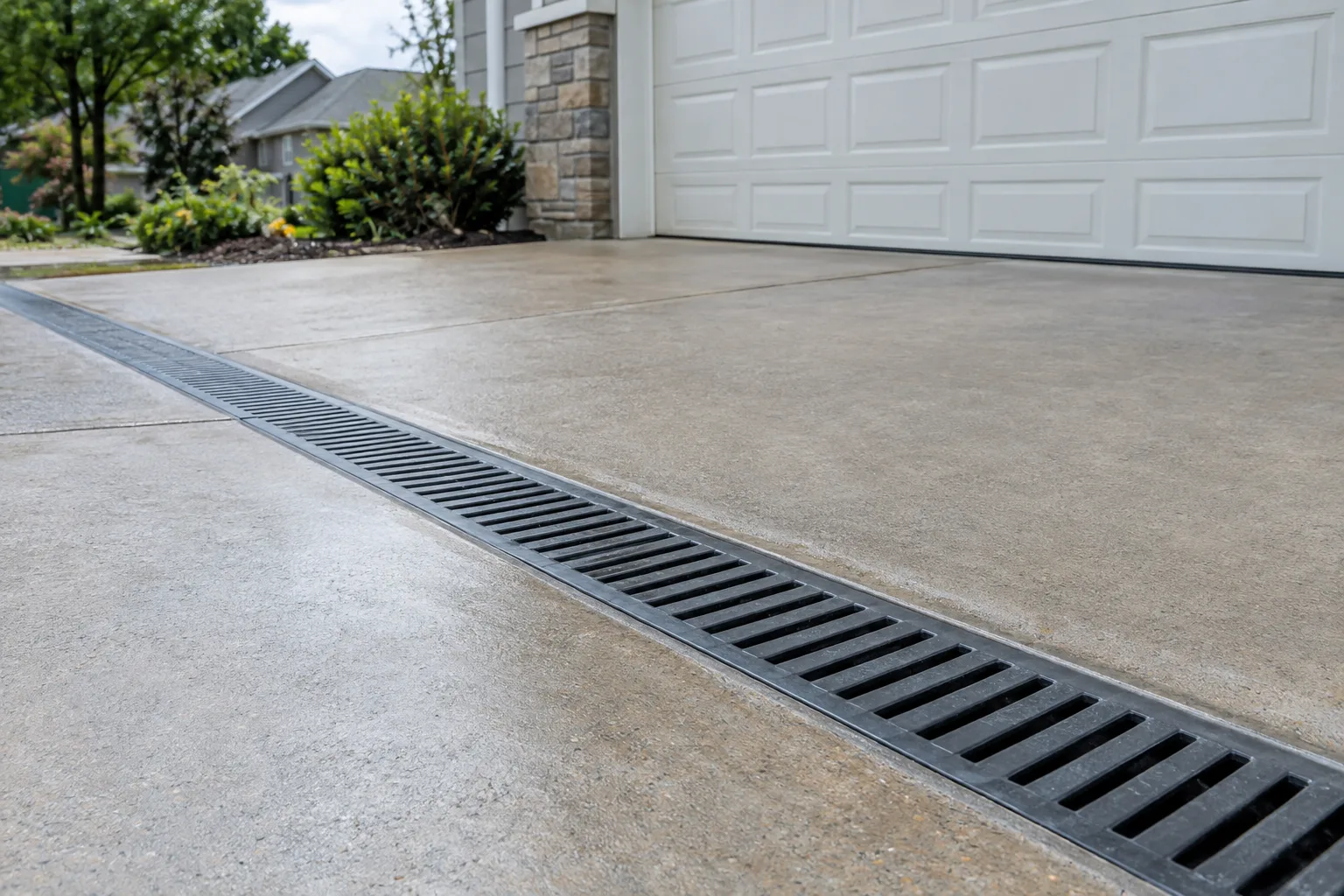
Stop driveway runoff at the right place
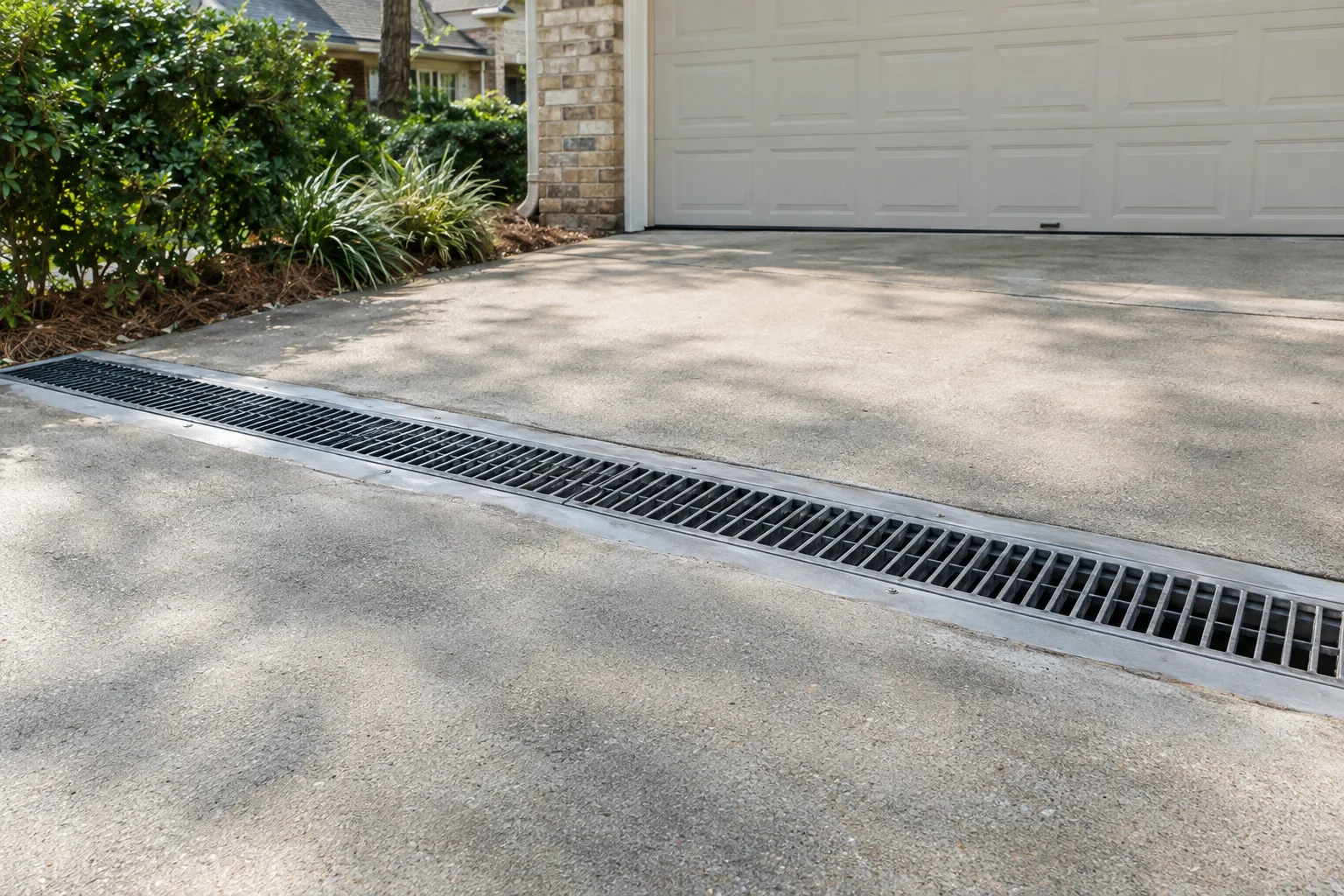
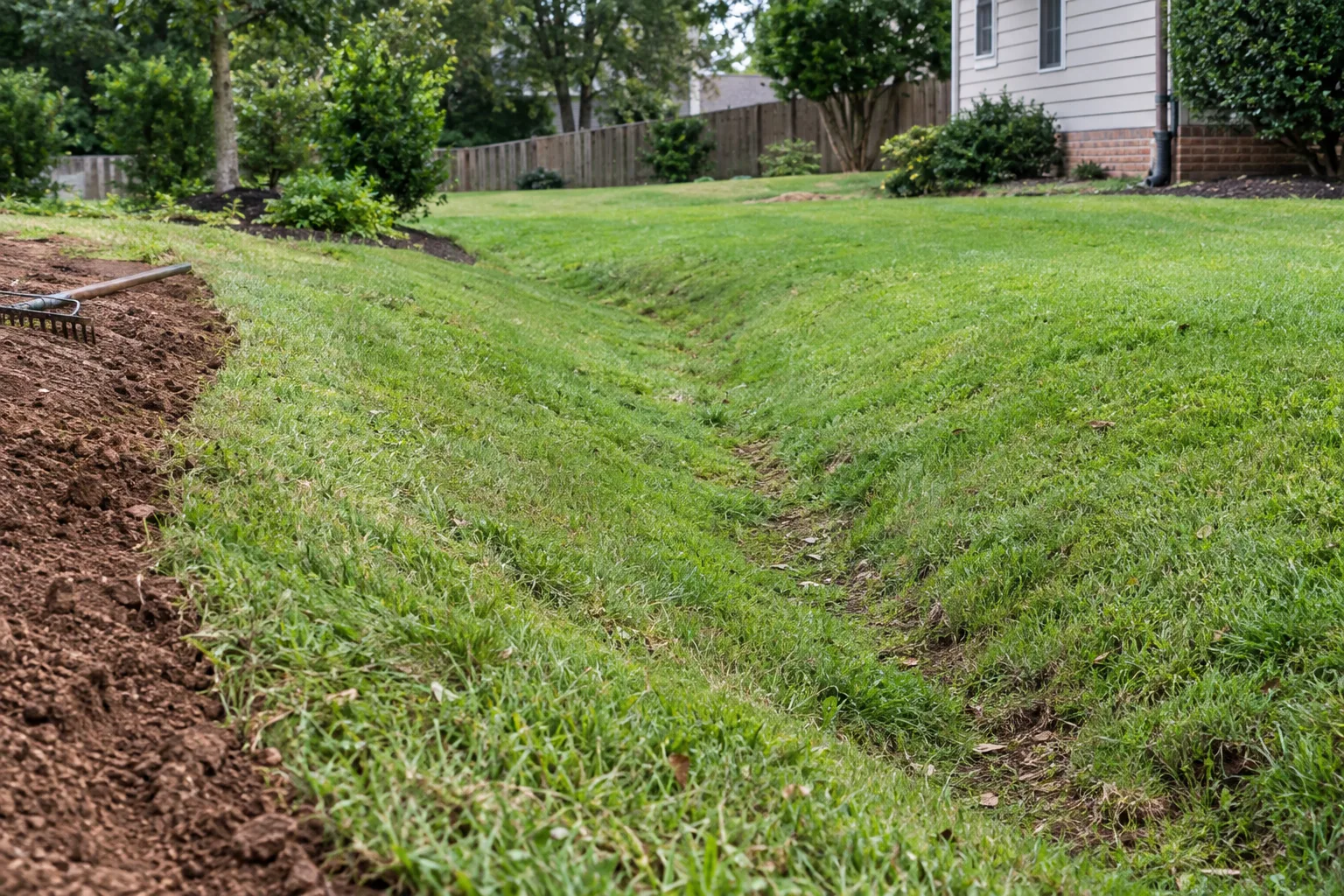
We help Euless property owners assess water crossing driveways and collecting near garage entrances. The drain needs to intercept the actual approach, which may be wider than the deepest puddle suggests. We check pavement levels, door thresholds and water arriving from nearby downspouts or beds. A channel can be useful across a moving sheet of runoff, while a basin may fit a separate low corner. Choosing between them starts with the surface route rather than selecting the grate that looks largest.
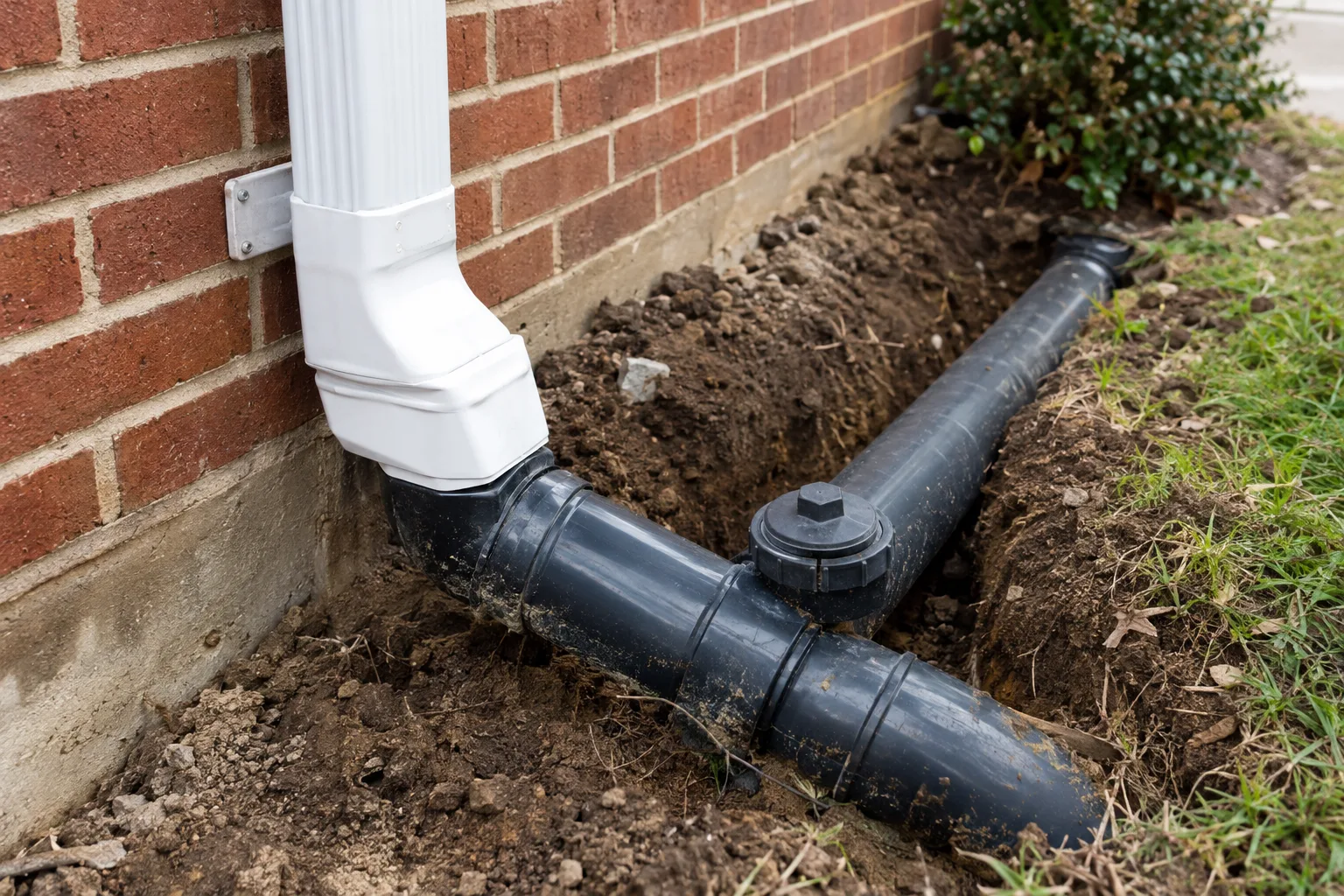
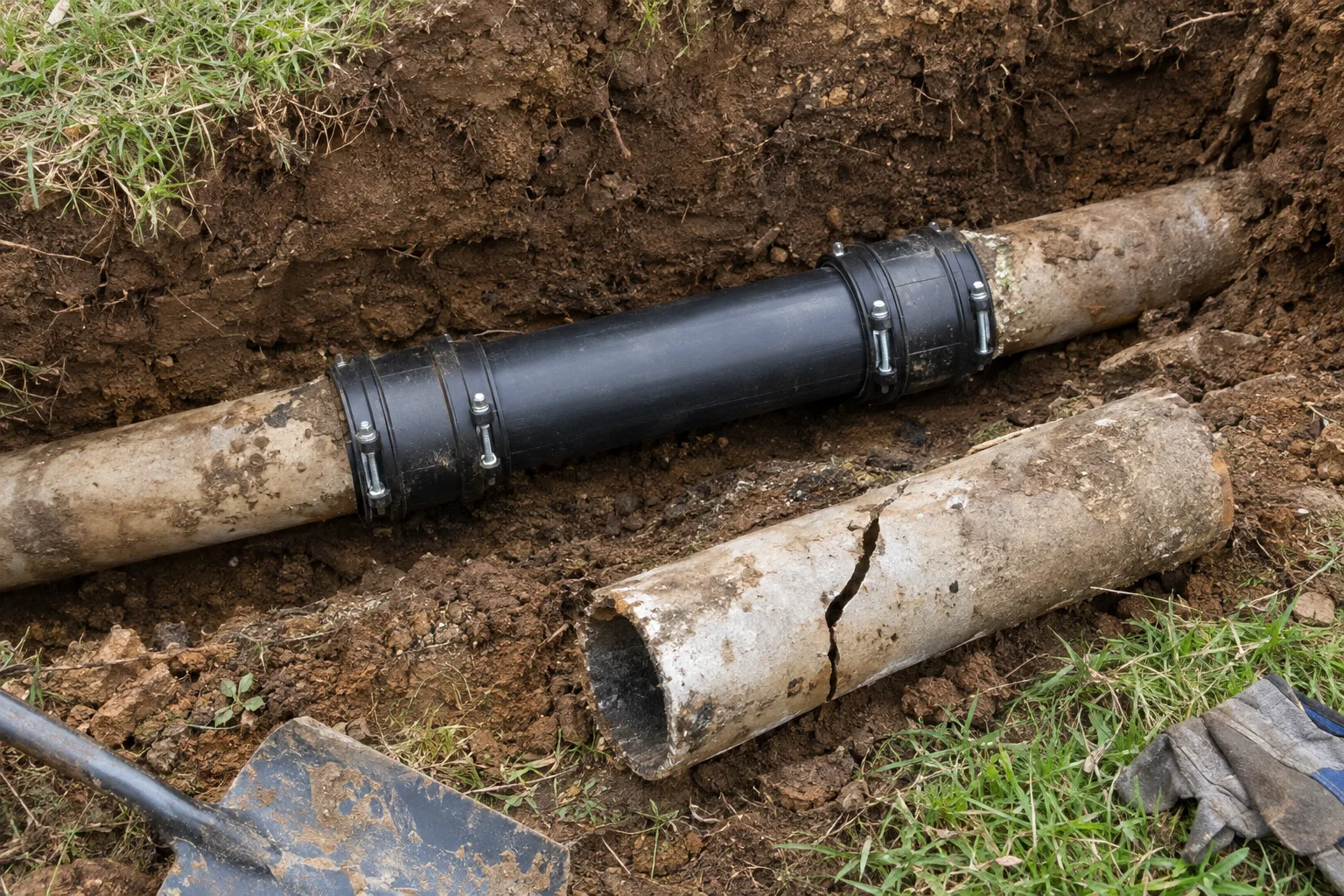
The receiving line matters as much as the opening in the pavement. A channel with no usable fall to an outlet can remain full even when it is clean. We establish the downstream route before discussing a concrete cut. Where a prior drain exists, its condition and destination need to be understood before it receives another connection. The proposed improvement should explain how water will leave the area, not simply where it will enter a new product.
Include the pavement and vehicle use in the plan
Driveway traffic affects the choice of channel, grate and supporting construction. We consider where wheels travel and how vehicles turn across the proposed location. A pedestrian product is not automatically suitable for that use. The surrounding concrete or paving also needs a practical transition after the installation. A grate set above the water path can be bypassed, while an awkward depression can interfere with the way the entrance is used. Finished levels and support are part of the drainage work.
Installation may affect parking and access while paving is opened and restored. We discuss which area will be disturbed, how removed material will be handled and what finish is included. A narrow cut may suit one layout; another may need a larger surface correction to guide water into the collector. Work involving a curb or public drainage feature must be checked for the Euless property rather than assumed available. Those questions should be resolved before a pipe route is treated as final.
Tell us whether water reaches the garage, stops at the driveway edge or remains in a low pavement patch. Also mention whether the problem began after paving repairs or a change to roof discharge. Wide photos can show the slope and approach from a safe location. Once the work is complete, keep the trough and outlet clear of debris. If runoff goes around a channel's end, document that bypass so the surface route can be assessed instead of repeatedly cleaning a drain that the water never reaches.