

Resolve the concentrated outlet behind landscape erosion
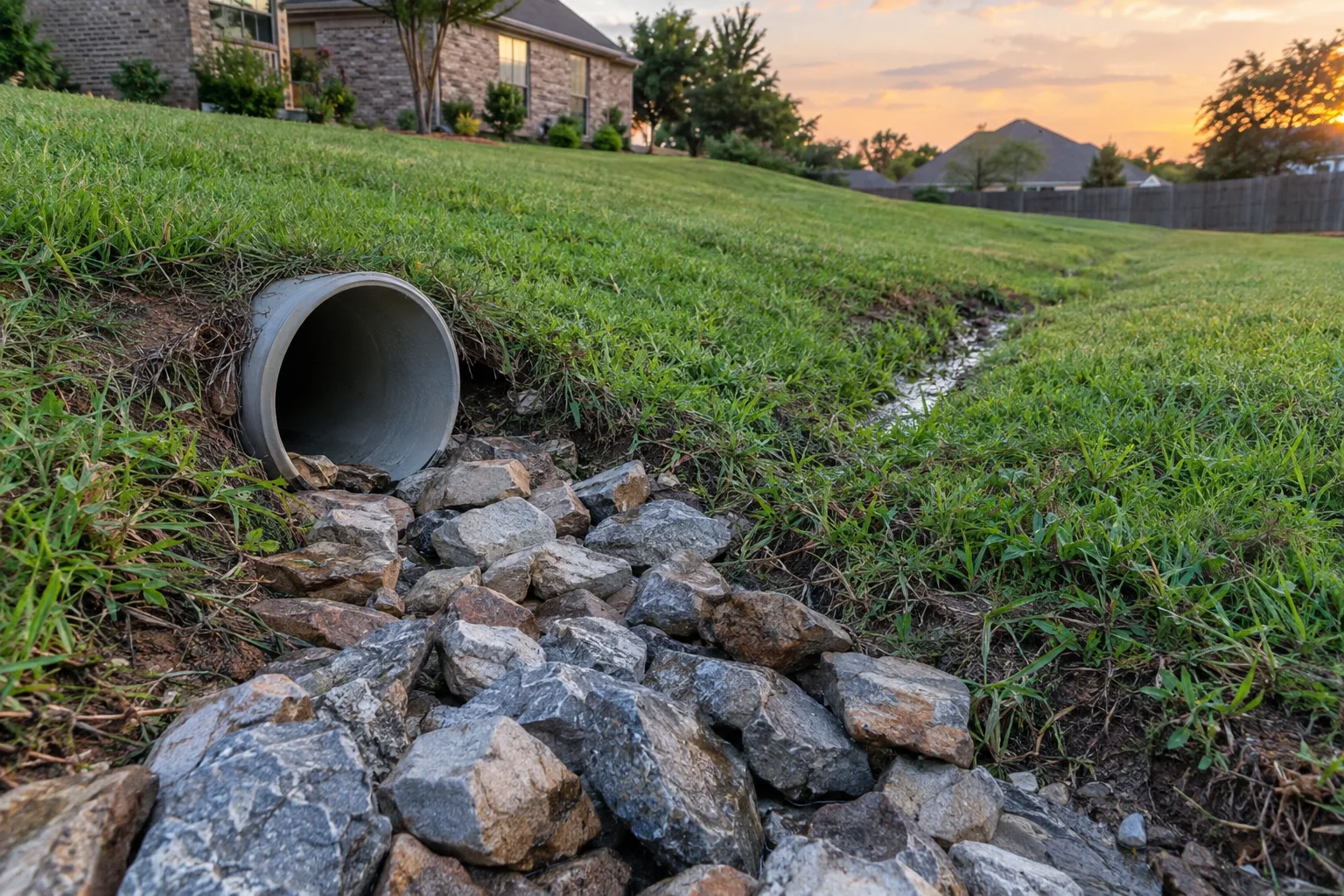
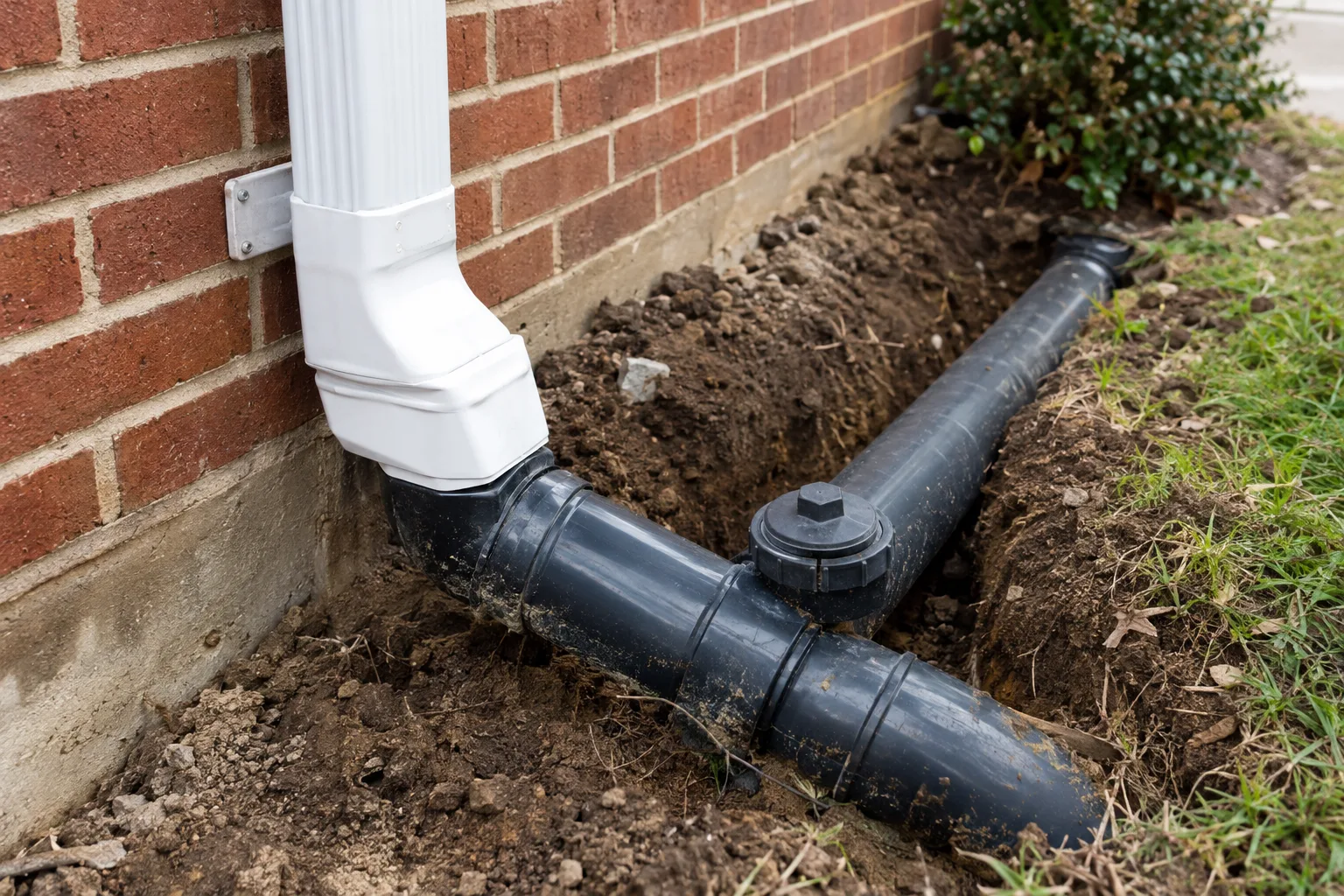
We help Cedar Hill property owners assess runoff that cuts through a lawn or planted slope. A downspout can concentrate water into one narrow path, while an existing pipe can discharge onto ground that is not prepared to receive it. We trace the upstream source before discussing repair of the washed-out area. The proposed work should explain whether the flow is being reduced, spread or carried to another suitable destination. Simply placing more landscape material in the same path may leave the next rain doing the same damage.
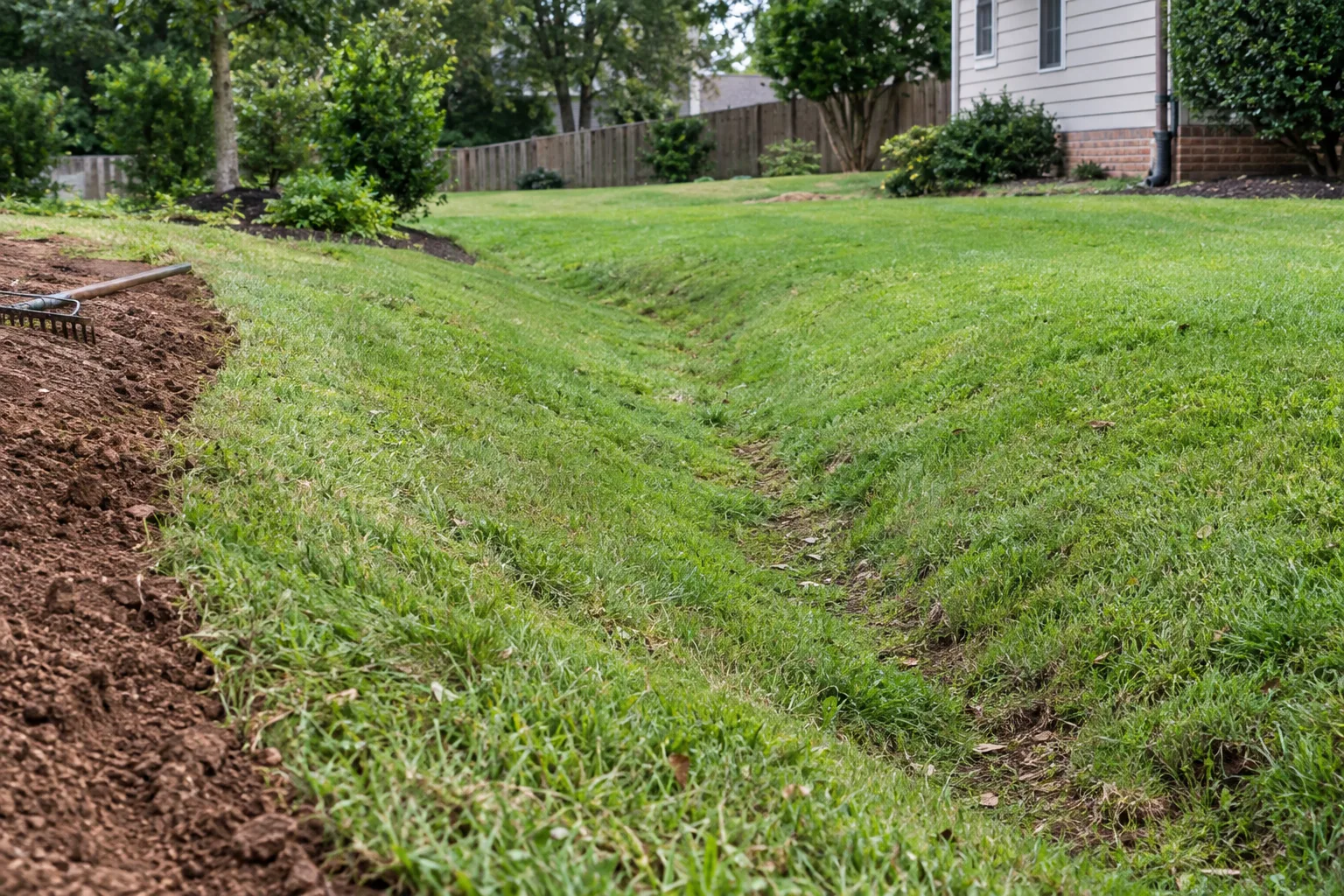
Moving the outlet requires checking the new receiving area. A location farther from the house is not automatically better if it releases water onto a vulnerable slope or into another low pocket. We look at the ground beyond the pipe end and the route excess flow will take. Where a surface swale is considered, it needs a continuous path that does not stop at edging or a boundary. The outlet and overflow decisions are part of the plan before the installation location is fixed.
Rebuild the surface after correcting the flow
Soil repair and stabilization should fit the runoff conditions. Vegetation may help protect an appropriate surface, but establishment care and temporary protection can matter while it develops. Rock or other coverings also need a suitable base and edges so water does not simply undermine or bypass them. We discuss how the protection relates to the drainage route instead of choosing a finish solely for appearance. If a retaining structure or unstable ground is involved, that may require separate assessment beyond ordinary surface erosion work.
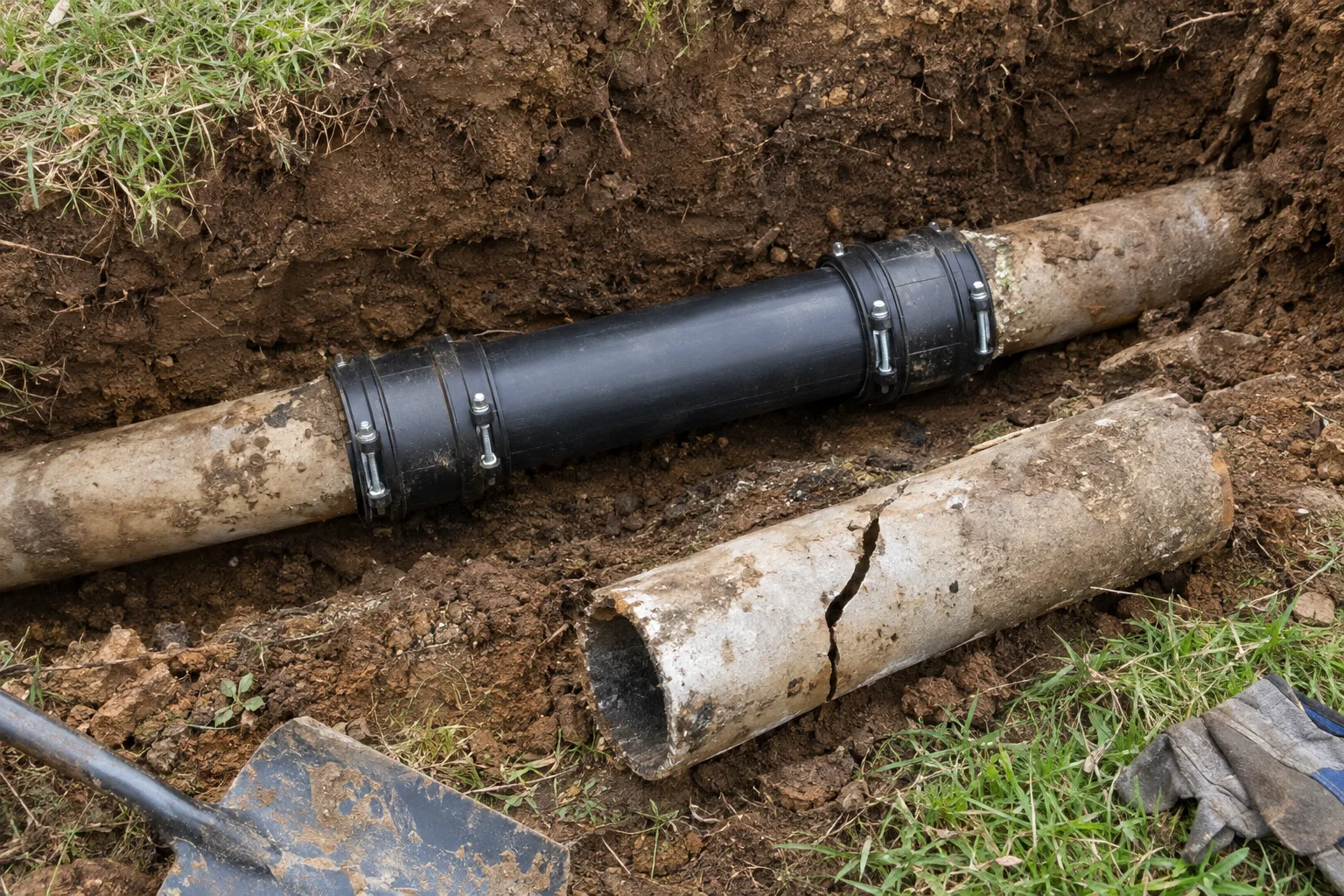
The project scope should describe access, affected planting, soil handling and any pipe or outlet work. A narrow working area or established roots can change the installation approach. Where the route affects a public drainage feature or easement, requirements for the Cedar Hill property need to be verified before that destination is relied on. We explain those constraints and distinguish confirmed work from decisions requiring further review. The result should be a complete route and restoration plan rather than a pipe ending at the edge of the drawing.
Tell us whether the washout begins at a downspout, an old outlet or farther uphill. A photo showing the source and the damage together is particularly useful. Note any recent changes to roof drainage or landscaping and whether previous repairs lasted through rain. After the work, inspect from a safe location for fresh grooves and displaced surface material. Keep the outlet visible and do not cover its receiving area with stored items or new planting that obstructs flow. Those observations help preserve the intended drainage path as the landscape changes.