

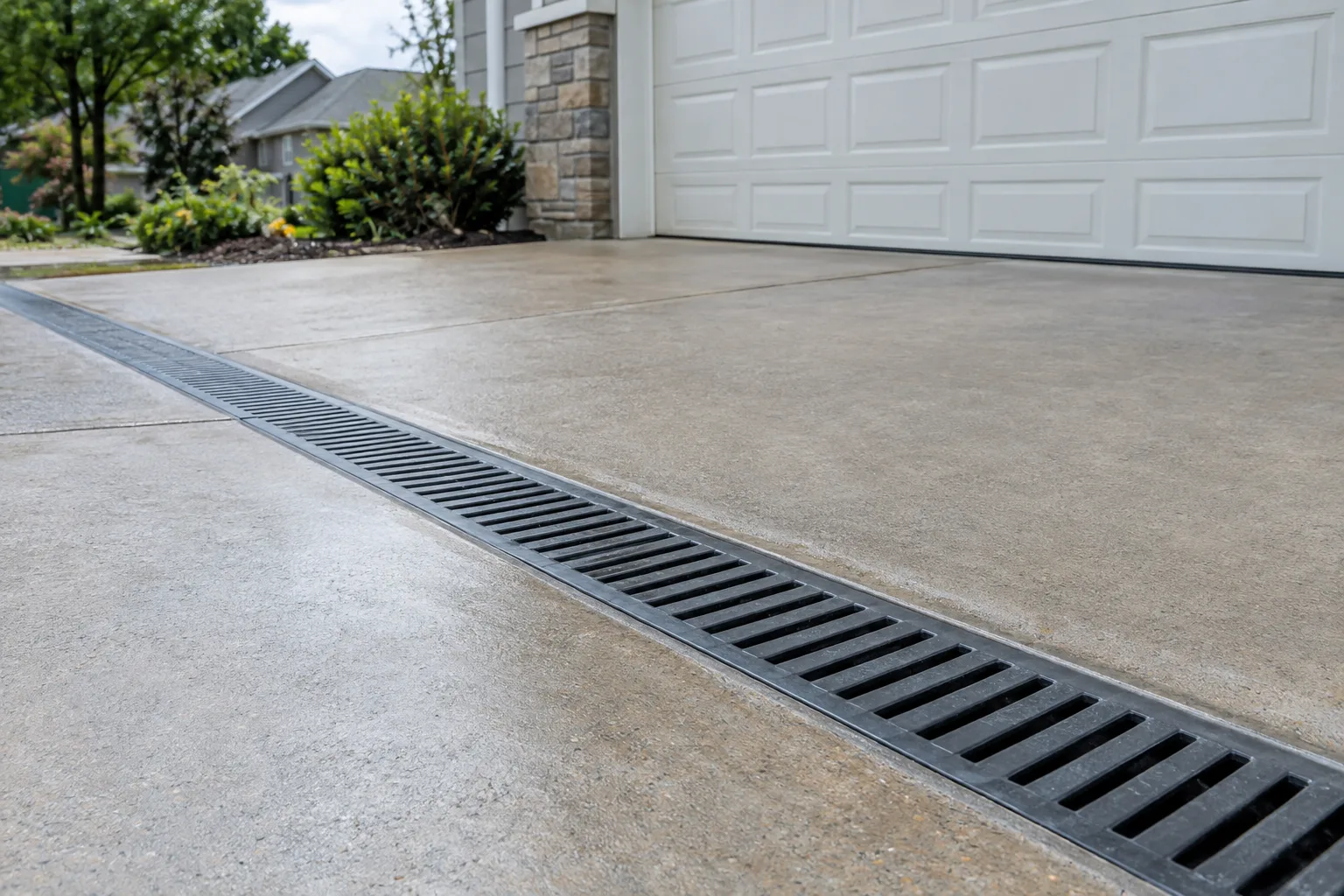
Drainage that fits the patio and the yard
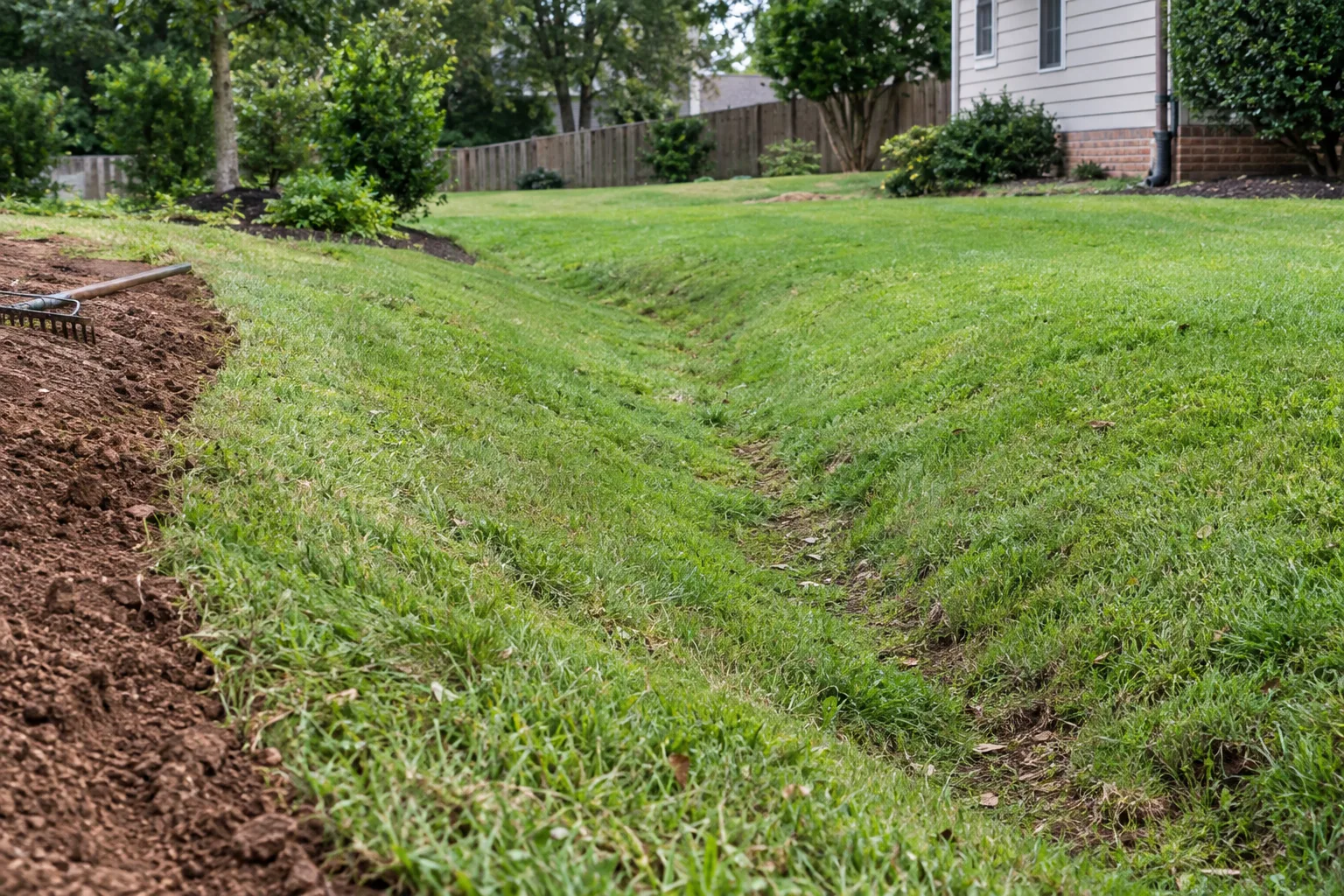
We help Grand Prairie property owners deal with water moving between hard surfaces and the lawn. A patio may drain as intended yet leave the adjoining grass holding all of its runoff. Before placing a basin, we check the paving edge, the lowest ground and the route beyond that point. The collection location needs to match where water actually gathers. If a raised strip of edging blocks a usable surface route, correcting that obstruction may be worth comparing with a buried system.
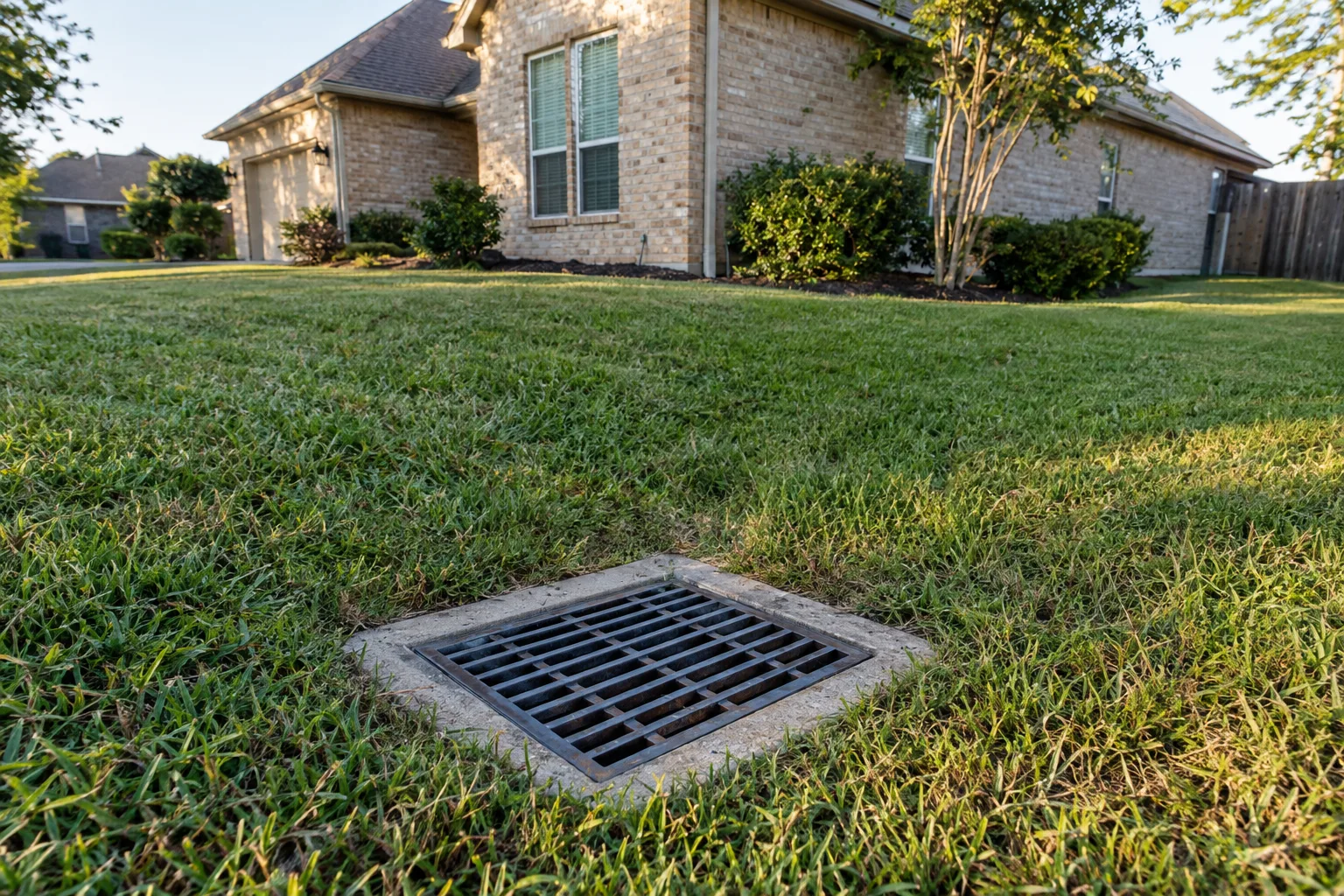
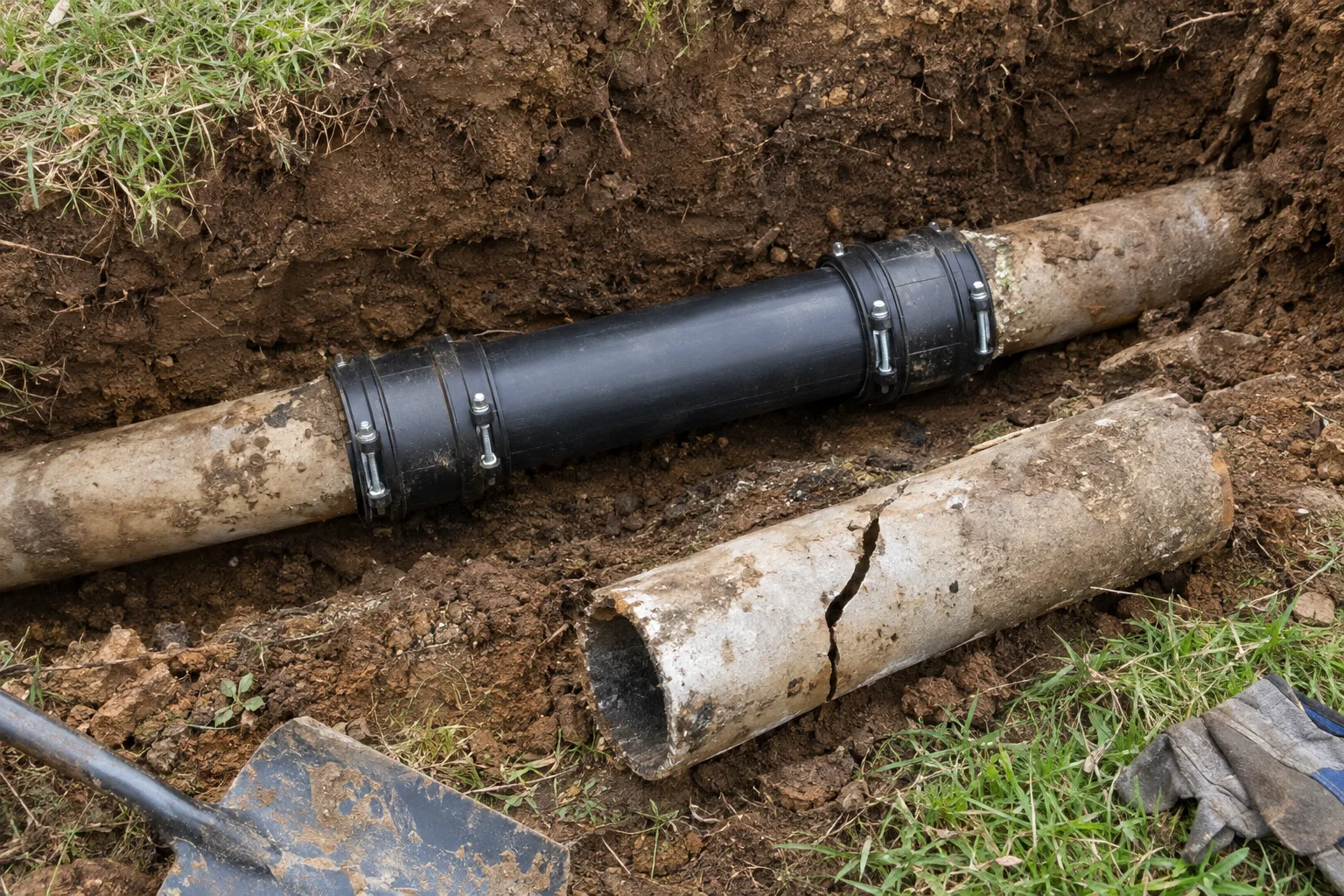
For runoff crossing a broad patio edge, a channel can intercept water along a line. Where several flows meet at one low corner, a point basin may fit better. We explain that difference before discussing the visible grate. Both options need a pipe or other suitable route to empty. A collector installed in a low rear yard without a workable receiving point can become another place where water stands. The outlet decision belongs in the first layout discussion, not after the patio has been cut.
Plan the work around an already finished space
Existing paving, gates and planting beds affect how we can reach the proposed work. We look at whether equipment can enter, where removed material can be placed and which surfaces will need restoration. If the route crosses the patio, the estimate should identify the cut and repair area. If it follows a bed instead, root conflicts and maintenance access still matter. These choices help you compare disruption as well as price, particularly when the outdoor area is in regular use.
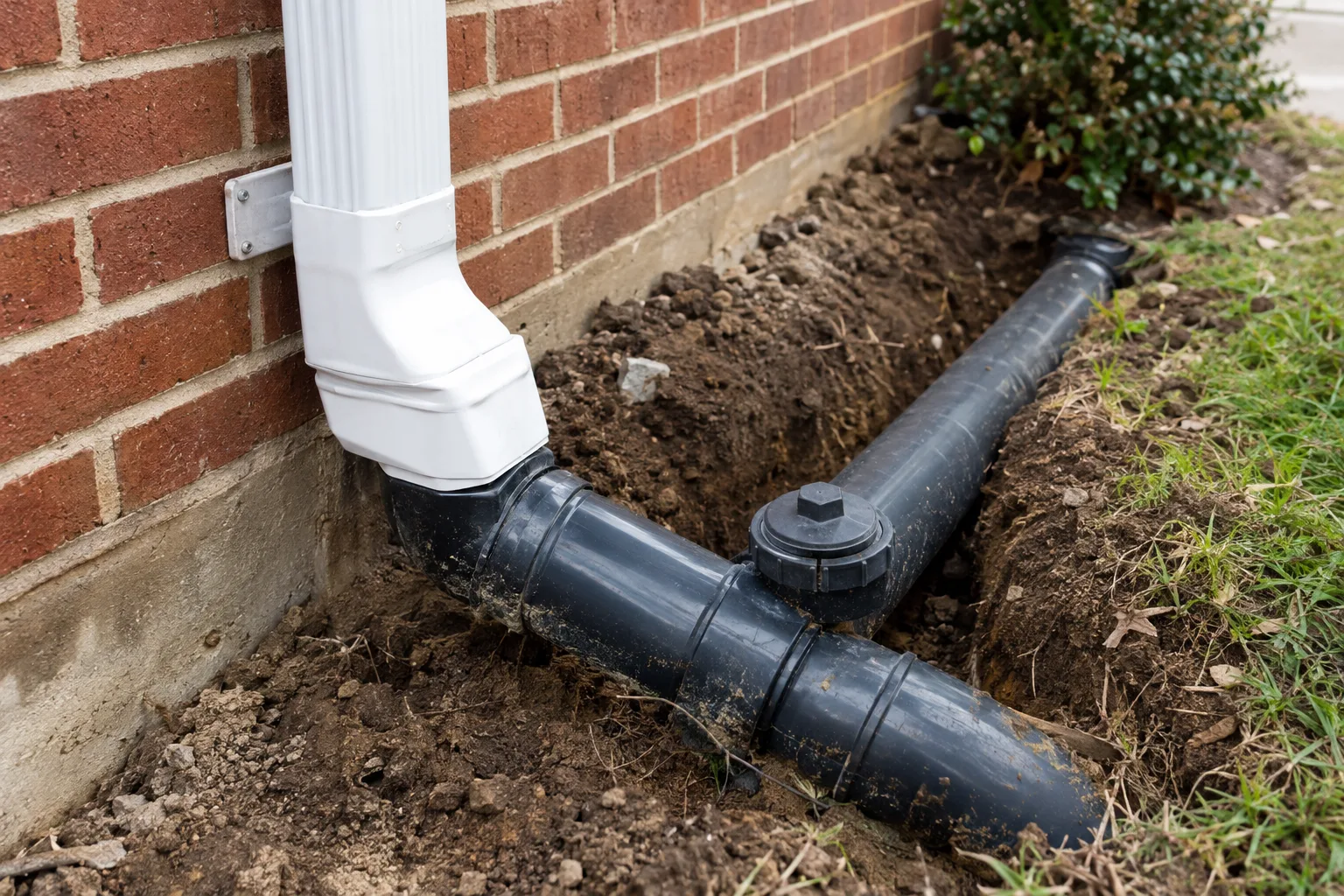
We also check the roof outlets around the patio. Redirecting a downspout may reduce the amount of water entering the affected area, while connecting it to a new line changes the flow that line must carry. The proposed system needs to account for those connections. For work involving a public drainage feature or a route beyond the property, the applicable Grand Prairie requirements must be checked. We do not assume an Arlington connection arrangement applies simply because the two properties are in nearby cities.
Tell us whether the patio problem began after paving, landscaping or a change to the gutters. A photograph showing the whole edge and the neighboring lawn is more helpful than a close view of the deepest puddle alone. We use that history to discuss what needs inspection before preparing the work scope. After installation, keep the grate reachable and avoid raising surrounding mulch or sod above it. Later finish changes can make water bypass a sound collector even when the buried pipe remains clear.