

Make the lawn usable without overbuilding the solution
We assess Mansfield yard drainage by looking at the surface route before choosing buried components. A shallow low spot can hold water even when the rest of the lawn appears to slope away. The key is whether water can continue from that depression to a suitable receiving area. We compare the levels around patios, fences and planting beds, then discuss whether a gentle grade correction can open a route. Moving soil should have a clear drainage purpose rather than simply making the lawn look flatter.
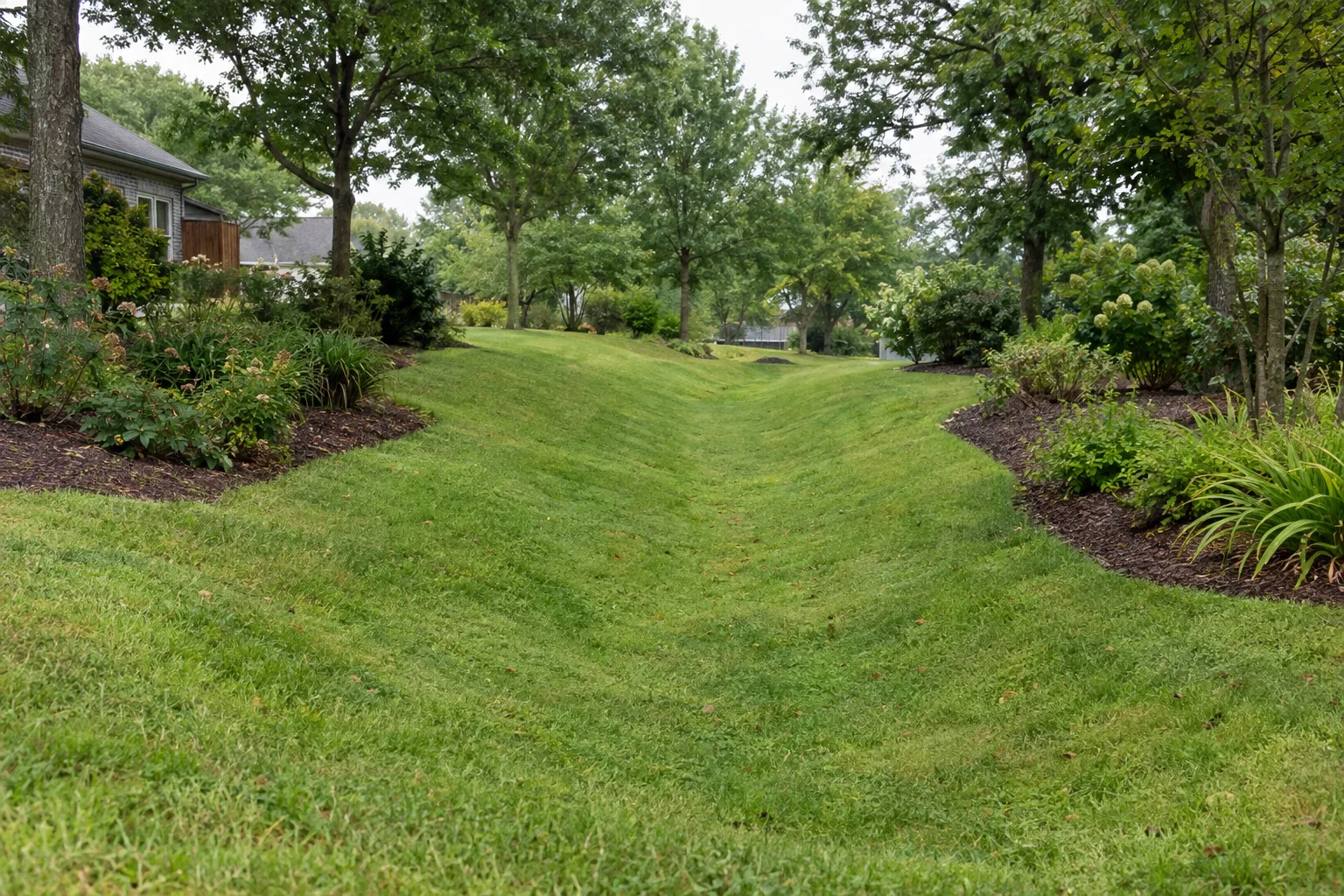
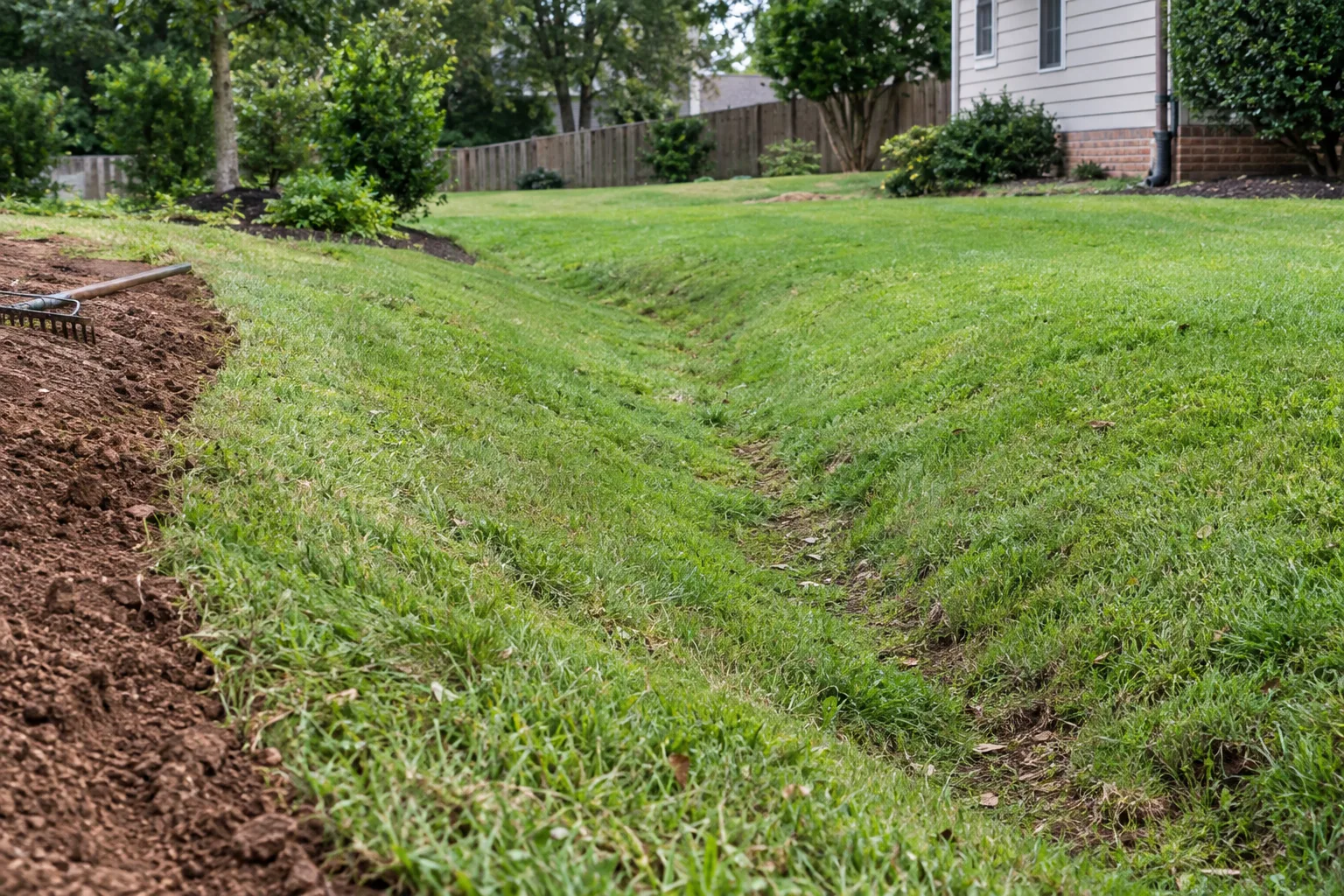
Where space and fall allow it, a broad shallow swale can carry runoff while remaining part of the yard. We consider mowing, walking routes and existing trees when discussing its shape. A narrow ditch may be inconvenient even if it moves water, while a shallow route with an interruption farther downstream may not empty. The finished levels need to work from beginning to end. If fixed paving or a boundary prevents that continuity, an inlet and pipe may be a more practical part of the plan.
Consider what changed before the wet spot appeared
New sod, added topsoil or a landscape border can alter a low route without an obvious major grade change. We ask about those improvements and whether the problem existed before them. Irrigation should also be considered when the lawn remains wet between storms. The water's timing helps separate rain runoff from a source that a new yard drain would not necessarily resolve. We do not diagnose a Mansfield property from its city name or assume every wet lawn has identical soil conditions.
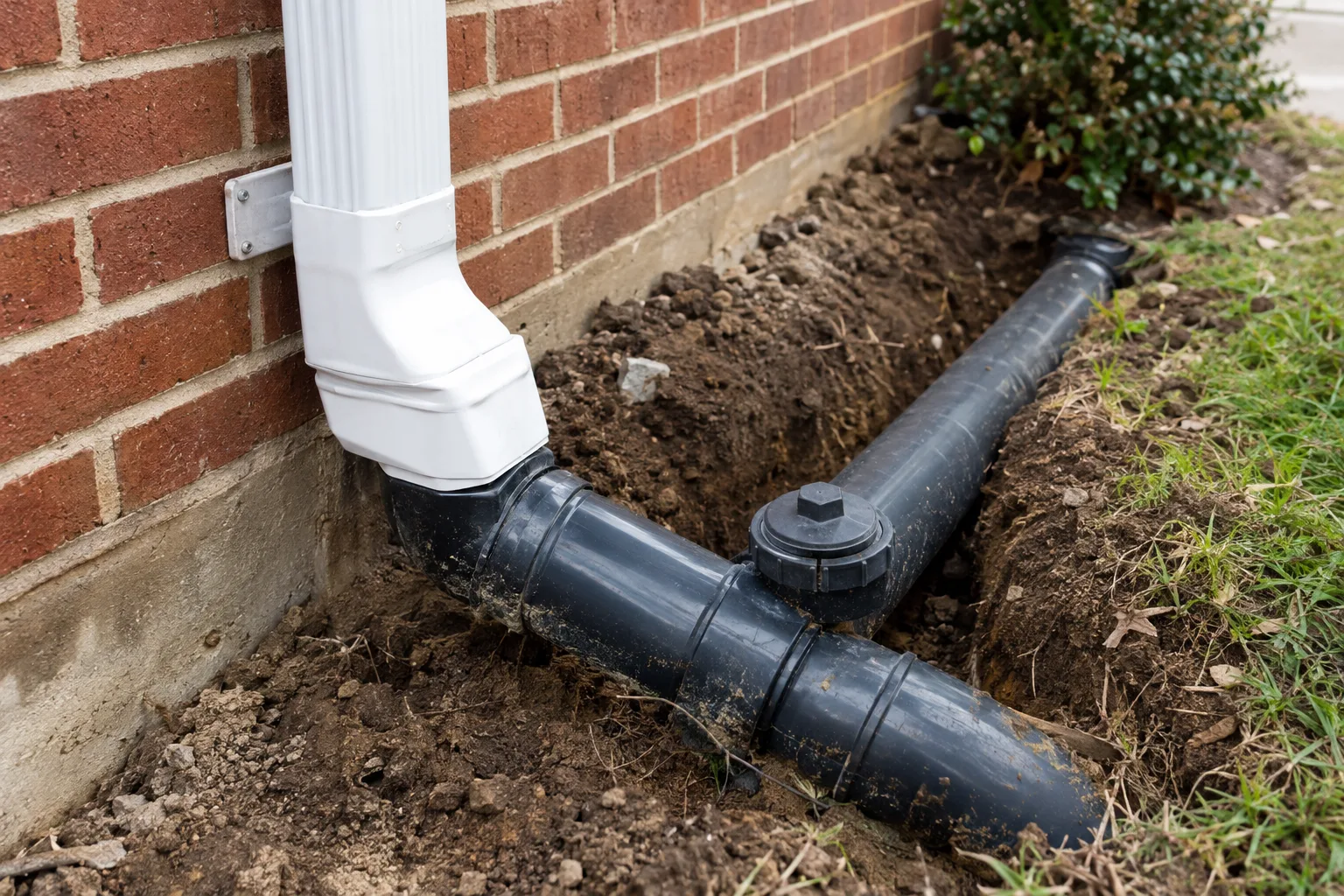
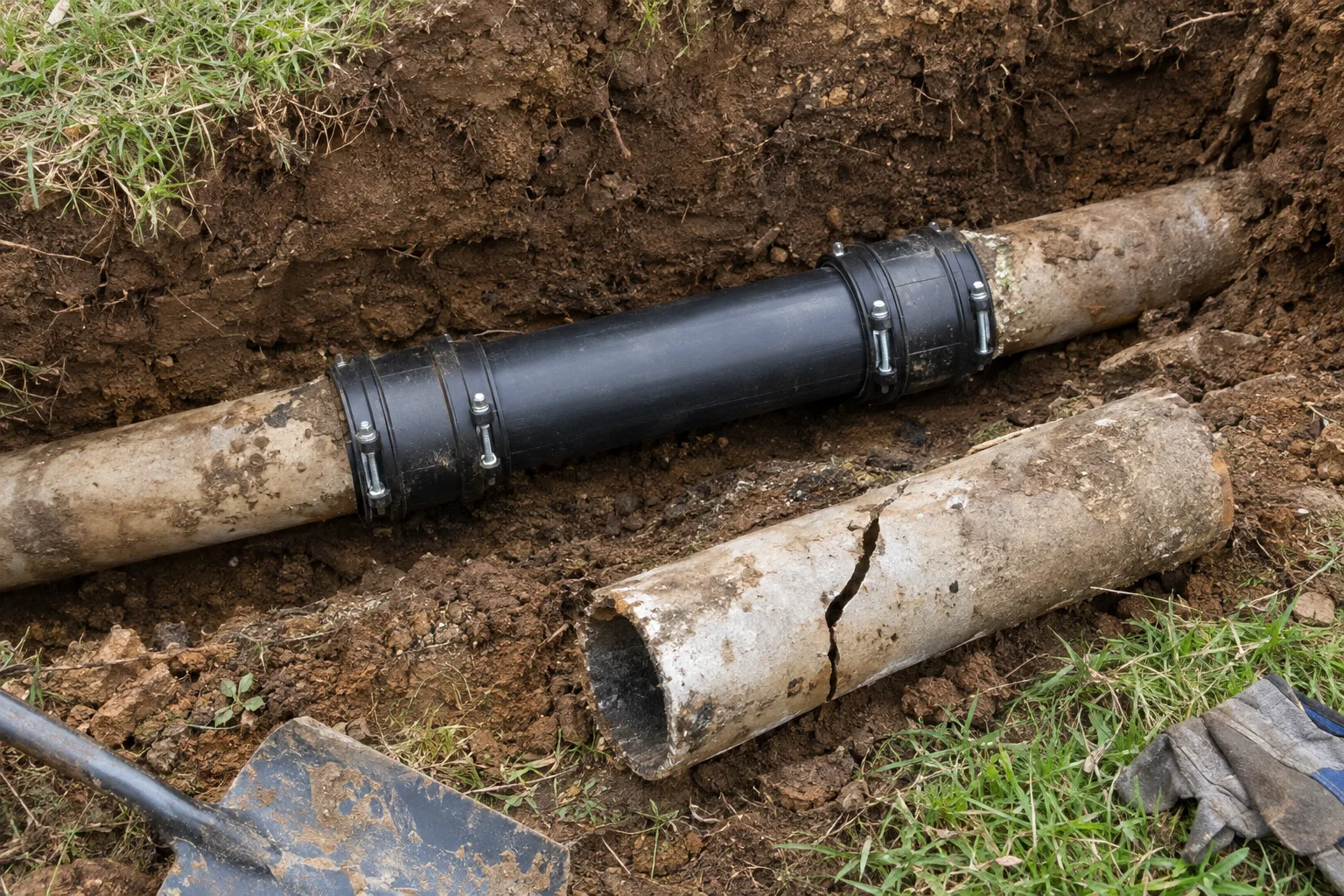
The estimate should explain the ground to be reshaped, where removed soil will go and how the disturbed lawn will be finished. Tree roots, utilities and access can limit the work. When several collection points are proposed, we identify which low area each serves and how their shared route will empty. Any public connection or easement question must be reviewed for the property and jurisdiction involved. A drawing ending at the fence does not show a complete drainage solution.
After work, the new surface needs to remain open as the landscape settles and grows. Avoid building a ridge of mulch or replacement sod across the intended swale. Watch for fresh depressions and erosion after rainfall, and record their locations. That makes it easier to tell whether the finish has moved or a different water source is now reaching the area. When you call, describe how long the yard stays wet and whether the puddle prevents normal use of a particular route, play area or patio.