

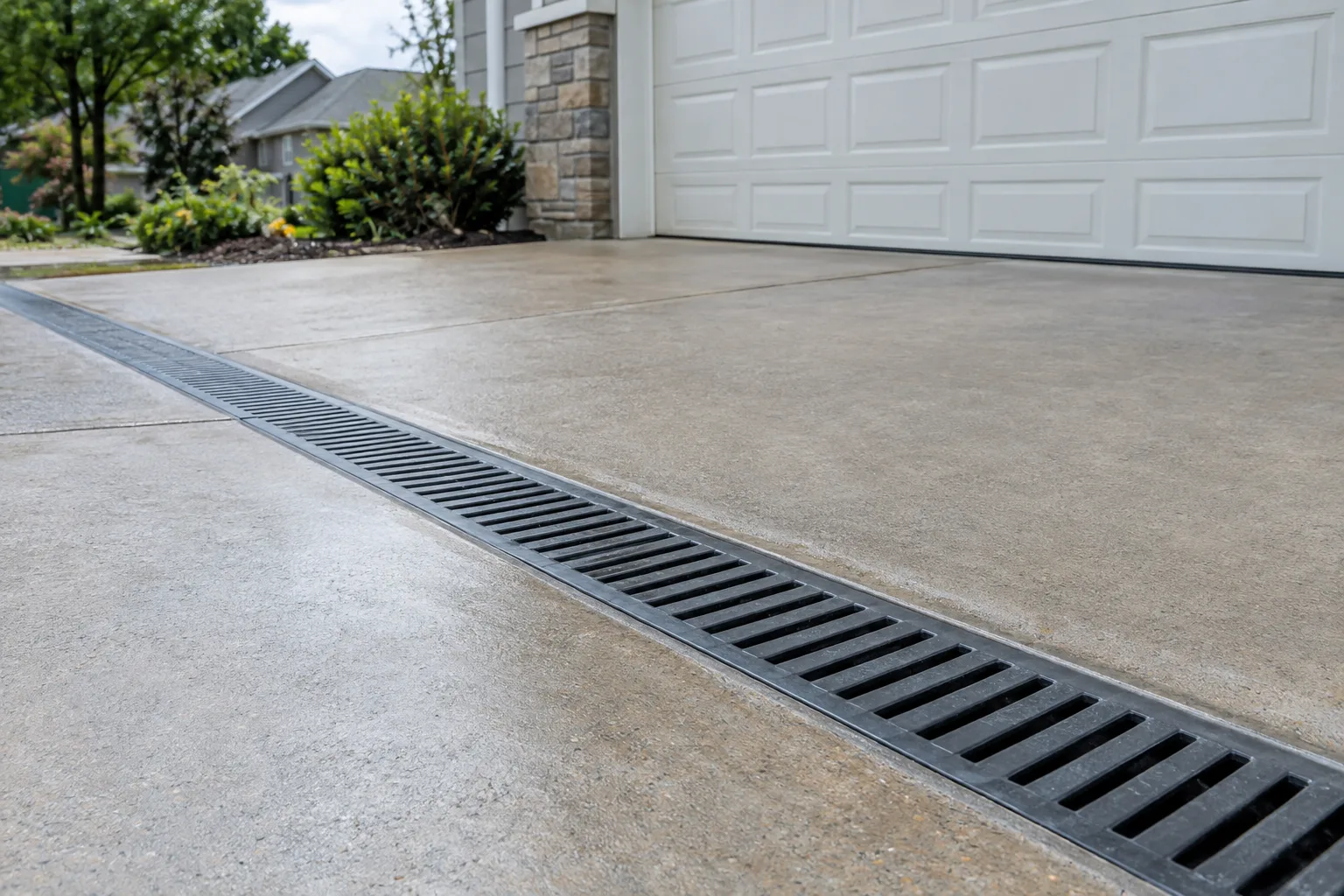
Find out where the existing drain goes
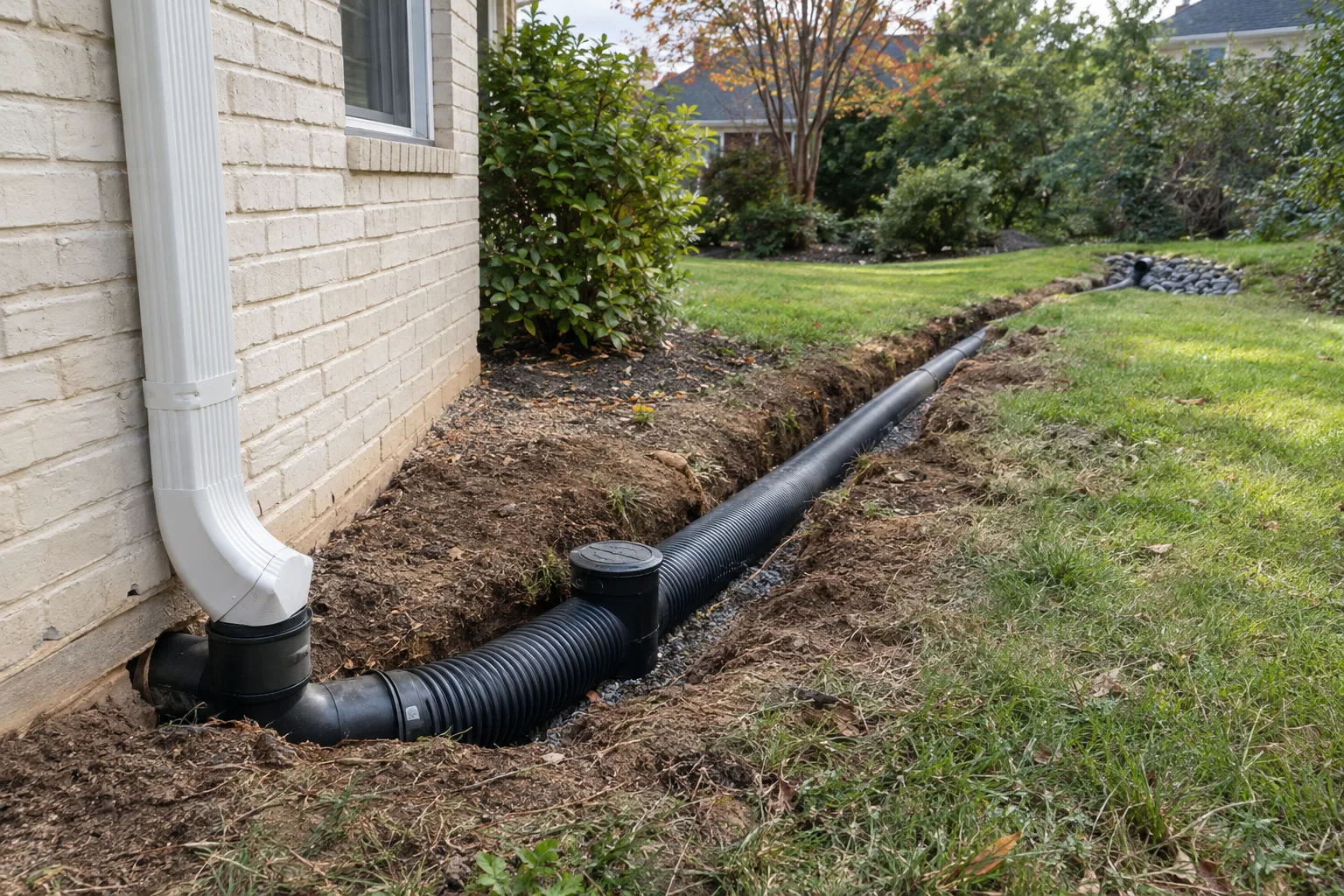
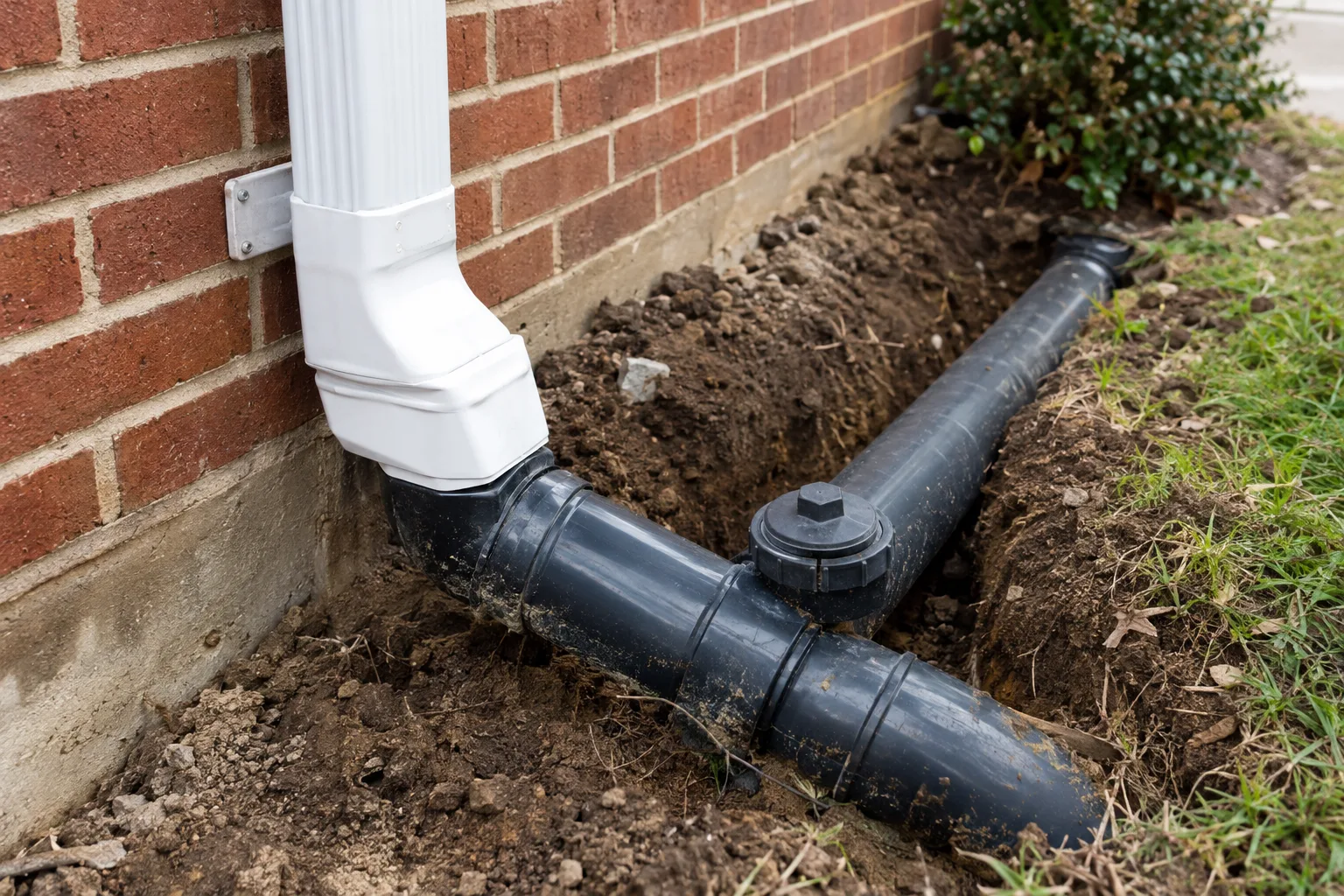
We assess Hurst drainage problems by checking the route that is already on the property before proposing a replacement. A downspout disappearing underground does not show where the line ends or what else connects to it. We look for accessible basins, cleanouts and the outlet, then ask when the backup began. A system that worked until recent landscaping may have a covered terminal or altered surface route. One that has never drained successfully may have a different layout problem that cleaning alone will not change.
Useful records can be simple: a sketch from an earlier installation, photos before the trench was covered, or a note about which corner of the yard once showed discharge. We use that information to narrow the accessible investigation. It does not replace checking the current conditions, because later paving, roots or soil movement may have changed them. If the outlet cannot be identified, we explain that uncertainty rather than claiming the whole system is clear after cleaning only the visible downspout connection.
Choose maintenance or repair from the findings
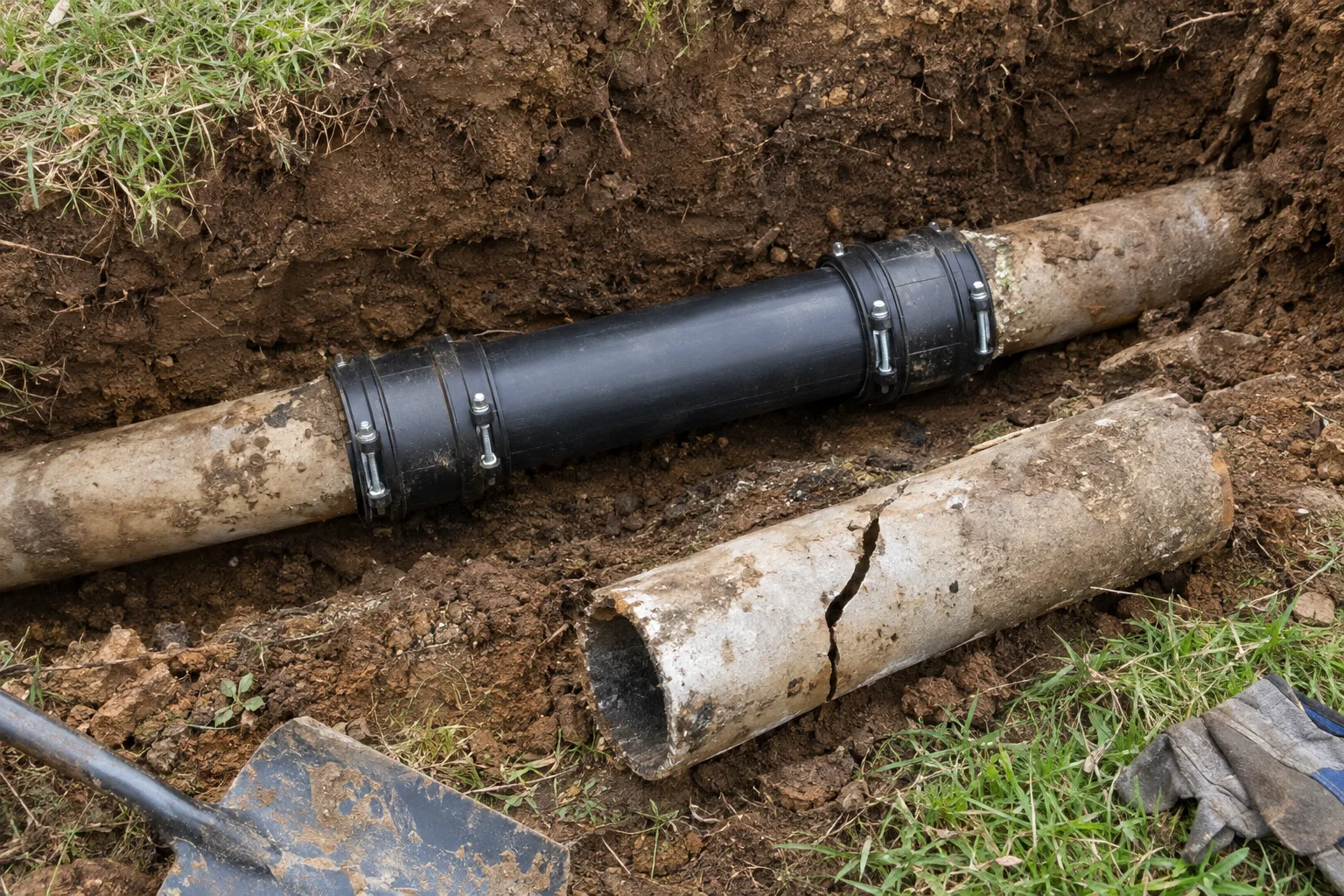
Debris at an opening, sediment in a basin and a damaged underground joint require different work. We consider the material and condition of the line before choosing an investigation or cleaning method. A recurring restriction at the same point can indicate an entry path for roots or soil, or a section that holds sediment because it has settled. Removing the blockage may improve flow without resolving the reason it returns. The recommendation should explain that distinction so repeat maintenance does not quietly replace a needed repair discussion.
A local repair can preserve usable parts when the remaining route works. We identify where excavation is needed and how a new section will connect to the old one. If the line crosses paving, the estimate should include the affected surface and restoration. Where the outlet itself is unsuitable, we compare route changes instead of simply installing new pipe in the same trench. Any proposed connection to a public drainage feature needs review for the Hurst property before it is included as a confirmed destination.
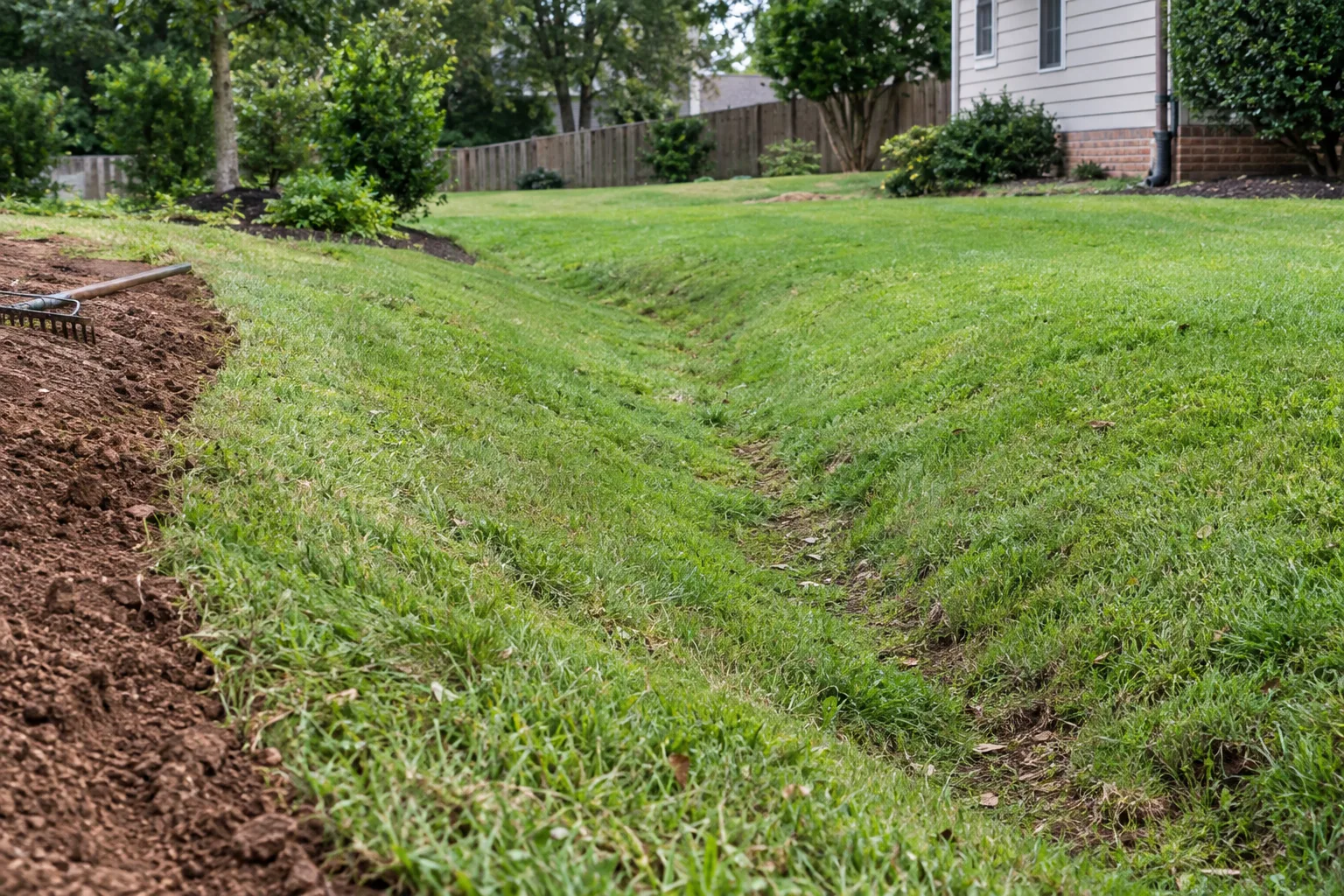
After the work, keep a record of the route, repaired section and access points. Leave cleanouts and outlets reachable when adding soil, sod or planting. During later rain, note whether water enters the inlet, whether the outlet releases it and whether a separate low spot remains. Those observations help distinguish a buried-route problem from surface water that misses the drain. When you contact us, describe previous cleaning or repairs and how long they helped, along with the property location and the current symptom.